Food & treats guides · Vegetable reference
Many healthy dogs can have small amounts of plain, appropriately prepared vegetables such as carrots, green beans, cucumber, peas, cooked pumpkin, sweet potato, and broccoli. Onions, garlic, chives, and leeks should not be intentionally fed. This guide answers “what vegetables can dogs eat?” while separating plain vegetables from seasoned dishes and vegetables dogs should not eat.
Use the Can My Dog Eat This? Food Explorer for a quick lookup, or start with the broader What Can Dogs Eat? guide.
Choose one suitable extra within your dog’s existing feeding plan. Vegetables do not need to be added to a complete diet simply to make it look fresher, and they should not replace a substantial part of the meal without professional formulation.
Ten options to compare
PDSA’s veterinary feeding guidance includes several common vegetables and distinguishes cooking and preparation needs. The table combines that guidance with the detailed ingredient links below.
| Option | Preparation | Main practical caution |
|---|---|---|
| Carrot | Wash and cut; plain cooking can soften it. | Do not hand over a large hard piece to a dog who gulps. |
| Green beans | Wash, trim, and cut; offer raw or plain cooked. | No garlic, butter, or salty sauce. |
| Cucumber | Wash and chop small. | Pickles are a different product. |
| Peas | Use plain shelled peas. | Check additions in canned or prepared dishes. |
| Pumpkin | Use plain cooked flesh or additive-free puree. | Do not substitute pie filling or prescribe it for every bowel problem. |
| Sweet potato | Cook, remove skin, and prepare a small portion. | Do not use raw pieces or a large meal replacement. |
| Celery | Wash and chop into small manageable pieces. | Long fibrous stalks are not the serving described here. |
| Broccoli | Offer only a little plain, chopped broccoli. | Gas and stomach discomfort may limit suitability. |
| Brussels sprouts | Prepare a little plain cooked vegetable. | Skip when it causes digestive discomfort. |
| Sweetcorn | Use a little plain cooked corn removed from the cob. | Never offer the cob to chew. |
The AKC’s veterinarian-informed green-bean guidance supports simple plain preparation and warns against using treats as the foundation of a diet. Its carrot guide emphasizes suitable piece sizes and an individual portion discussion.
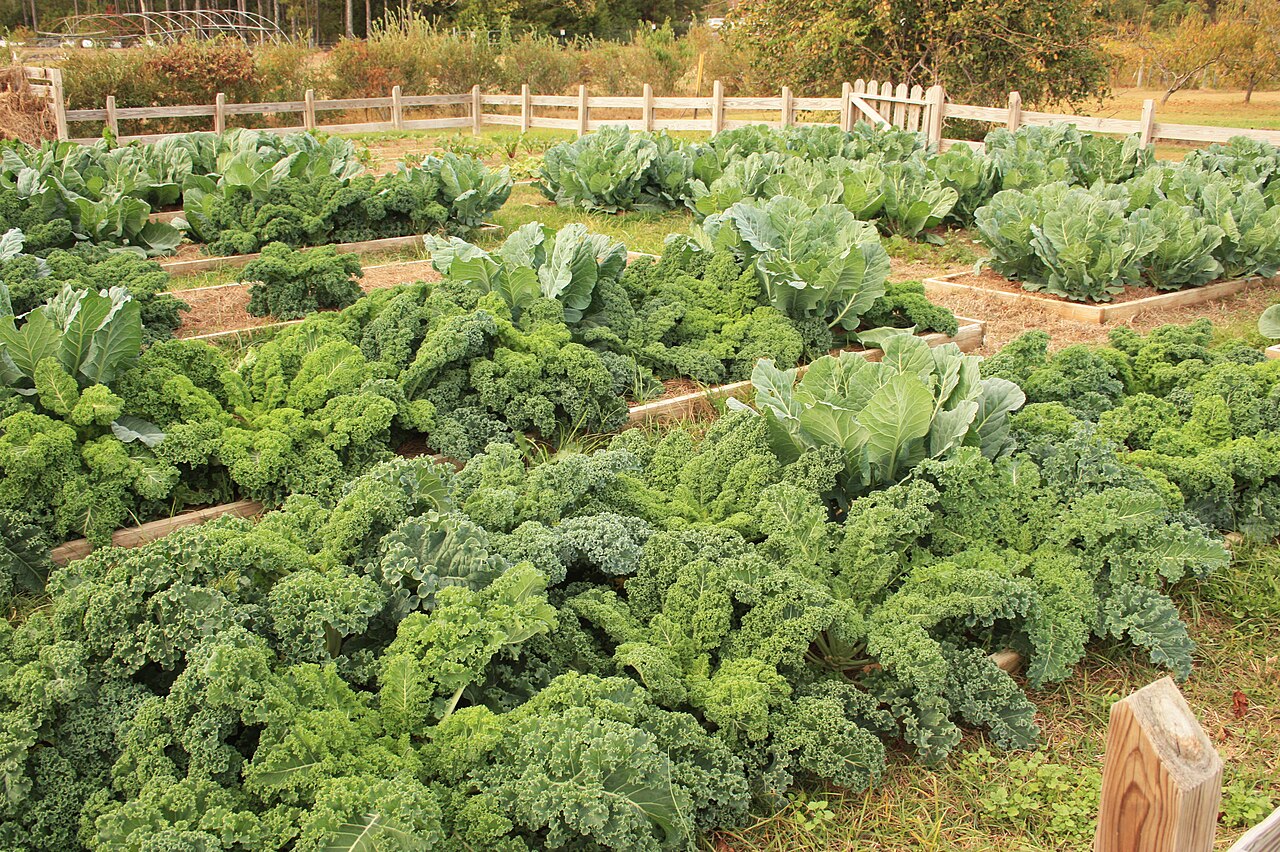
For other leafy options, see cabbage and kale. Those pages explain why a generally edible vegetable can still be a poor choice for a dog with particular health or digestive concerns.
What vegetables can dogs not eat?
Do not deliberately offer onion, garlic, leek, or chive. The AKC’s produce guidance identifies these Allium ingredients as toxicity concerns. Read our garlic safety guide after an exposure rather than assuming cooked seasoning is harmless.
Avoid unidentified wild mushrooms and unknown garden plants. A plant being sold for human cooking does not make every part appropriate for a dog. Keep corn cobs, tough scraps, packaging, and compost securely out of reach.
Plain preparation means the dog receives the ingredient before sauces and seasoning. Picking onion out of a casserole or rinsing dressing from a salad is not a reliable way to create that plain portion.
Use a preparation-first decision
- Check the feeding plan. Ask first when your dog has a prescribed diet, swallowing difficulty, or a condition affected by food.
- Choose one ingredient. Familiar and tolerated is often more useful than novel.
- Prepare it completely. Remove the unsuitable parts, use a manageable texture, and let cooked food cool.
- Offer a small amount. Watch comfort and tolerance rather than testing how much your dog will eat.
- Coordinate the extras. Include this food with the day’s other rewards rather than adding a separate allowance for vegetables.
This is a household workflow, not a required feeding schedule. Use a small separate dish while cooking so another adult can see which portion is intended for the dog.
Do not build a weight-loss diet from a snack list
VCA’s diet guidance distinguishes suitable occasional plant foods from the work of formulating a complete diet. Replacing a bowl of dog food with a bowl of low-calorie vegetables does not preserve the same nutrients.
For weight management, ask the veterinary team about the overall energy target, appropriate food, and treat allowance. A vegetable can be part of a plan without becoming the plan itself. The same applies to adding fiber for digestive symptoms: choose the source and amount for a diagnosed need, not by popularity.
Our weekly planner can hold a short reminder such as “carrot included with today’s treats.” It does not calculate calories, balance meals, or track every caregiver’s feeding.
When an extra becomes a veterinary question
Stop offering a food that seems poorly tolerated and contact your veterinarian about persistent vomiting, diarrhea, pain, or a change in appetite or behavior. For suspected toxic ingredients, a swallowed cob, or another foreign object, ask promptly rather than waiting to see whether a normal-looking dog stays well.
Keep the label, amount, and timing available. Breathing trouble, collapse, or severe illness needs emergency care. Do not try to induce vomiting or push an object through with another meal.
Common questions
Which vegetable is best?
There is no universal winner. Consider your dog’s health, tolerance, texture needs, and existing diet. This list compares options instead of promising a top-ranked vegetable.
Can dogs have frozen vegetables?
Check the ingredient list and follow any cooking instructions. Prepare a manageable portion; a hard frozen chunk is not automatically a good chew.
Does my dog need ten different vegetables?
No. Variety is optional, not a nutritional checklist to complete. For another occasional food choice, use the fruit reference; for play without snacks, choose food-free enrichment.
Sources and editorial notes
Linked veterinary and animal-welfare guidance supports the ingredient comparisons. This page is a practical reference, not a tested ranking or a formulated diet. See our editorial standards.