Food & treats guides · Master food guide
Dogs can eat many plain human foods in small amounts, but “safe” depends on the exact ingredient, the part offered, preparation, added seasonings, and the individual dog. Use this page to choose a category, then open the detailed food guide or the Can My Dog Eat This? Food Explorer.
A complete and balanced dog food should remain the foundation unless your veterinary team has given you a different plan. Human foods are optional extras—not a requirement and not a substitute for a formulated diet.
Foods dogs can eat: a quick starting list
| Food | Plain preparation | Main caution |
|---|---|---|
| Strawberries | Washed, leafy tops removed, cut to a manageable size | Choose plain fruit, not syrup or sweetened desserts |
| Banana | Peel removed; small piece of flesh | Optional extra, not a whole-fruit serving rule |
| Watermelon | Seedless flesh with rind removed | Rind and seeds are not the snack |
| Carrots | Plain, washed, cut appropriately; raw or cooked | Large hard pieces can be difficult for gulpers |
| Broccoli | Small plain pieces | Large amounts may cause digestive discomfort |
| Eggs | Fully cooked and unseasoned | Avoid making raw egg a routine “health hack” |
| Sweet potato | Cooked plain and prepared into manageable pieces | Do not confuse a snack with a complete meal |
| Rice | Plain and cooked | Not a complete long-term diet by itself |
Foods that need a closer label or preparation check
Some foods are not a simple yes/no. Cheese may be tolerated in a small amount by some dogs but dairy can cause digestive upset and many cheeses are high in fat or salt. Peanut butter must be checked for xylitol; the FDA warns that xylitol can be life-threatening to dogs. Tomatoes require a distinction between ripe red fruit and green plant material. Avocado raises both ingredient and pit/obstruction concerns.
Use the Food Explorer when you need a quick status and preparation note, then open the full article for the exact food.
Foods dogs should not intentionally eat
Grapes and raisins, onions, garlic, xylitol-containing products, chocolate, alcohol, and some other human foods can be dangerous to dogs. The ASPCA continues to list human foods such as grapes/raisins, onions/garlic, and xylitol among important pet poisoning concerns.
Our detailed pages explain the difference between prevention information and what to do after an actual exposure:
If your dog has already eaten a potentially toxic food, do not use a web page to calculate a safe dose. Contact your veterinarian, an emergency veterinary clinic, or an animal poison-control service for case-specific advice.
What fruits can dogs eat?
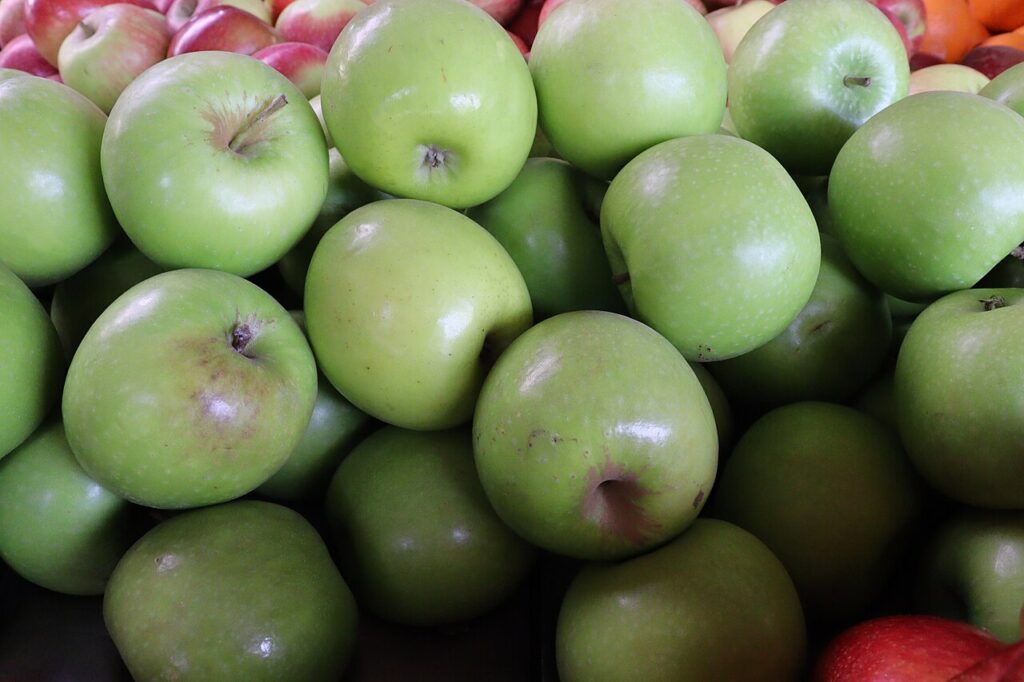
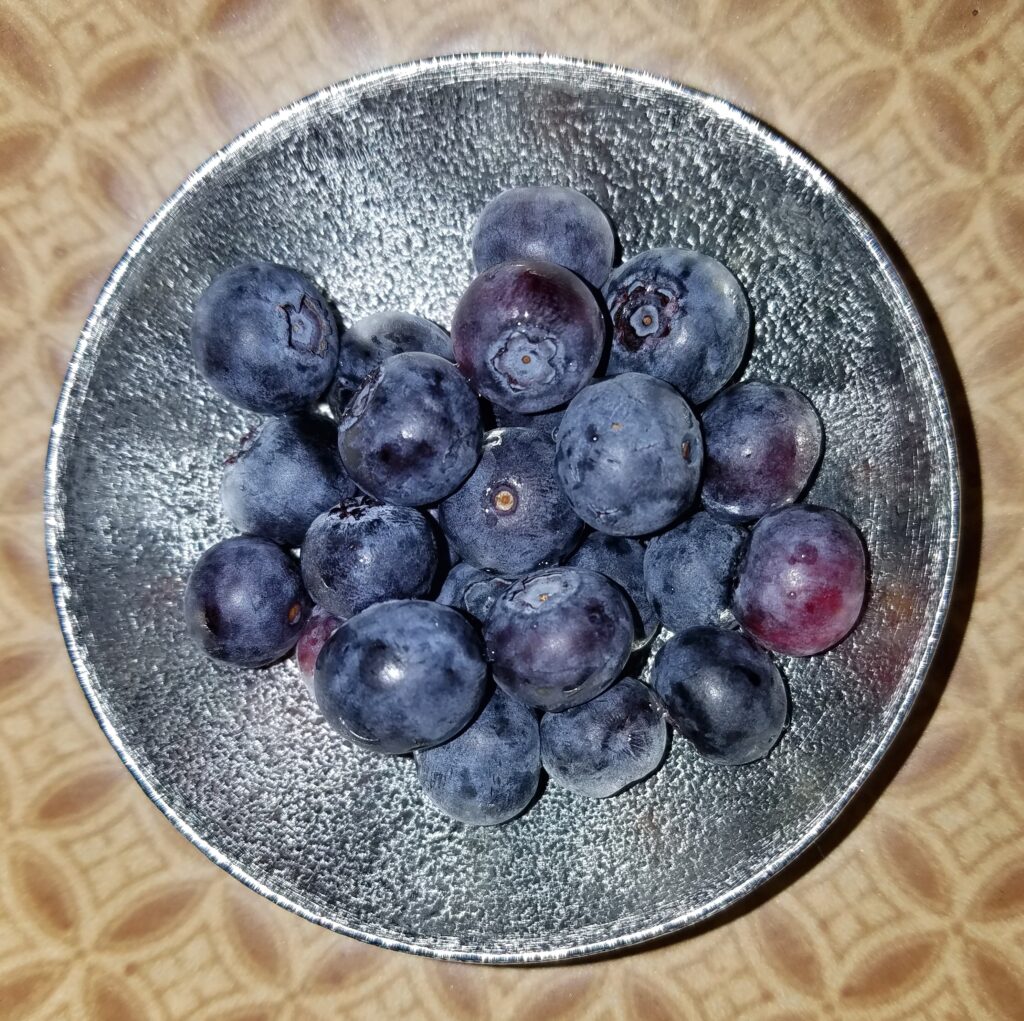
Prepared apples, blueberries, strawberries, bananas, mango, pineapple, and watermelon are examples of fruits many dogs can have as optional extras. Remove unsuitable parts such as pits, cores, seeds, tough rinds, and stems where applicable.
See the full fruit reference, which also covers fruits dogs should not eat, including grapes and raisins.
What vegetables can dogs eat?
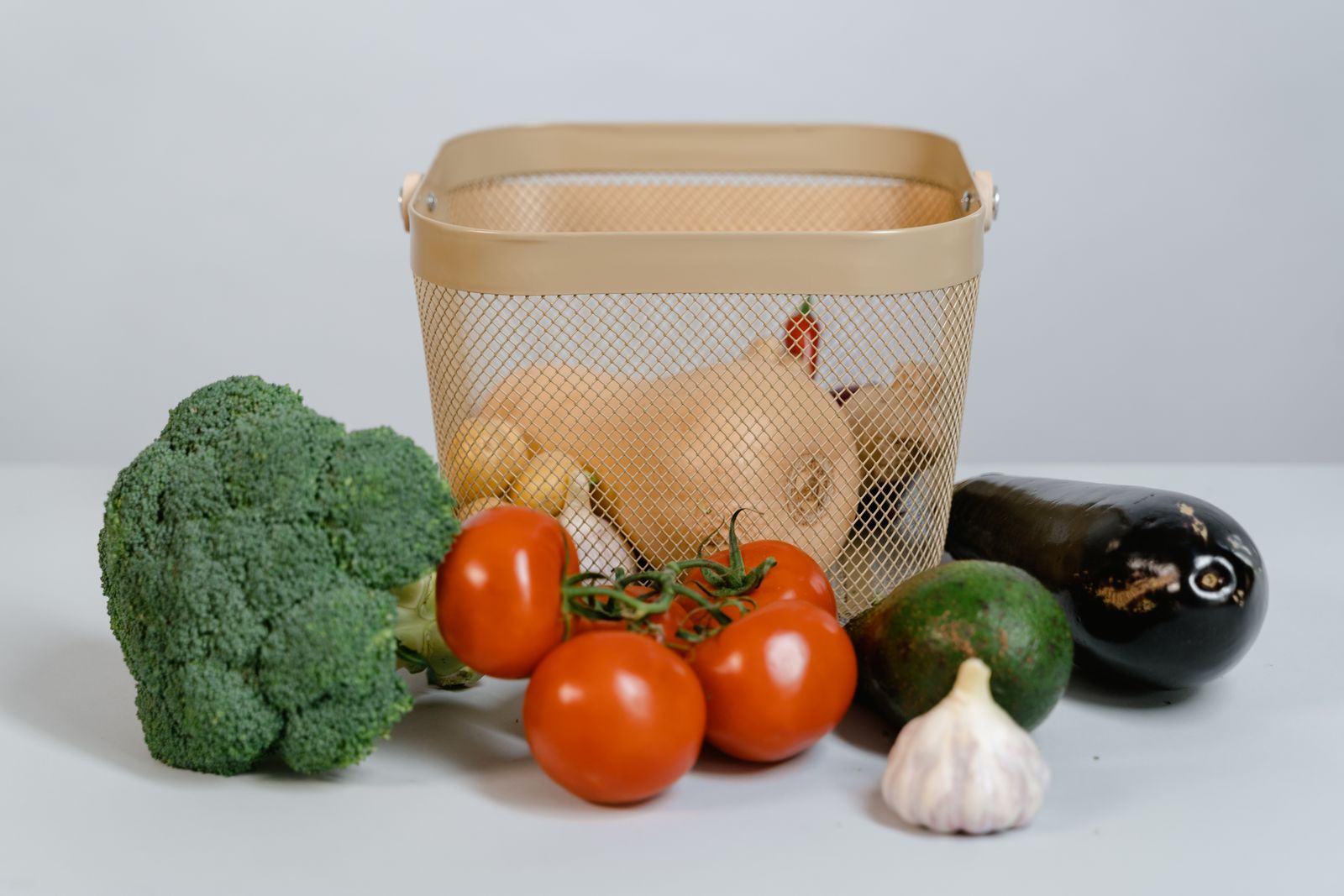
Plain carrot, cucumber, green beans, peas, pumpkin, sweet potato, and small amounts of broccoli are examples commonly used as dog treats. Preparation matters, and sauces, butter, seasoning, onions, and garlic can change the answer.
Use the vegetable reference for safe options and vegetables to avoid.
What human foods can dogs eat?
“Human food” is a huge category. A plain cooked egg, a small carrot piece, seedless watermelon flesh, or a little cooked sweet potato is very different from a seasoned casserole or dessert. The easiest rule is to identify the exact ingredient before sharing it.
Our human foods dogs can eat guide organizes practical household examples and printable food chart gives you a kitchen-friendly reference.
Keep extras inside the overall diet
Even suitable foods can become unhelpful when they displace the complete diet or add a large number of calories. VCA notes that treats and toppers should stay a small part of daily calorie intake. Medical diets, food allergies, pancreatitis history, kidney disease, swallowing difficulty, and other individual needs can change which extras fit.
When in doubt, use the dog’s familiar complete food as the reward instead of introducing another ingredient.
Common questions
Can dogs eat the same foods people eat?
Some ingredients overlap, but prepared human dishes often include salt, fat, onions, garlic, sweeteners, sauces, bones, or other components that change the safety picture. Check the whole dish, not just its main ingredient.
What is the safest human food for dogs?
There is no single best food for every dog. Choose a plain, identifiable food that fits the individual dog and the current feeding plan.
What if my dog ate something and I am not sure it is safe?
Identify the product, amount, time, and dog, then contact your veterinarian or animal poison-control service when toxicity, a foreign object, or concerning symptoms are possible.
Sources and editorial notes
This guide is informed by the AKC produce reference, VCA treat guidance, ASPCA people-food safety guidance, and the FDA xylitol warning. See our editorial standards.