Food & treats guides · Apples
Yes, most healthy dogs can have a small amount of apple flesh. Wash the fruit, remove the stem, core, and seeds, and cut the flesh into pieces your dog can manage. Apple is an optional treat, not a replacement for complete dog food. PDSA includes cored, de-seeded apples among suitable fruit options.
The useful distinction is between a little prepared fruit and an apple product. A whole windfall, a core from the bin, and a spoonful of sweetened pie filling are not the same snack.
Which parts of an apple can dogs eat?
The American Kennel Club’s apple guidance identifies the tough core and stem as choking concerns and advises removing seeds, which contain compounds associated with cyanide exposure. That is a reason to prepare the fruit carefully, not to assume that one accidentally swallowed seed always causes poisoning.
| Part or product | What to do | Kitchen reminder |
|---|---|---|
| Fresh flesh | Offer a small prepared piece. | Set the dog’s portion aside before preparing your own snack. |
| Skin | Wash well; peeling is optional for dogs who tolerate it. | Peeling does not replace removing the core. |
| Core, stem, and seeds | Remove and discard out of reach. | Do not leave the trimmings in an open bowl. |
| Applesauce | Choose plain, unsweetened sauce with suitable ingredients. | Read the ingredient list, not just the front label. |
| Pie, candy, or mixed desserts | Do not use them as the apple treat. | Keep the dog’s plain portion separate from toppings. |
VCA Animal Hospitals lists raw apple with or without skin as a possible treat. For a dog with chewing or swallowing difficulties, ask your veterinarian which texture is appropriate rather than assuming a smaller hard cube solves the problem.
Prepare one small serving
- Start with sound fruit and clean equipment. Rinse the apple under running water. The FDA’s produce-handling guidance advises against washing produce with soap or detergent.
- Remove the unwanted parts completely. Cut away the stem and core, then check the remaining flesh for seeds.
- Choose a manageable shape. Make small, thin pieces suited to your dog’s mouth and eating style. Do not offer a whole apple as a chew toy.
- Offer a little and watch. Keep the first taste small. Stop offering apple if it appears to upset your dog.
Our practical preparation tip is to finish the cutting before inviting your dog into the snack routine. Put the knife away, clear the trimmings, and bring over only the portion you intend to share. It is easier than supervising a curious nose and an open compost bowl at once.
How much apple is enough?
AAHA recommends that treats supply no more than 10% of total daily calories. Apple shares that allowance with training treats, chews, and other extras; it does not receive a separate allowance. Your veterinarian’s feeding plan takes priority.
Think in terms of a small treat portion, not an apple per dog. There is no useful universal slice count when slice sizes and dogs differ so much. Too much apple can cause digestive upset, according to the AKC guidance. A permitted calorie ceiling also does not mean a sensitive stomach will tolerate that amount.
For planning, write down the extra rather than refilling a bowl as you go. A note such as “prepared apple included in today’s treats” helps another adult avoid unknowingly repeating the serving. The weekly planner can hold that reminder; it does not calculate calories.
Can dogs have applesauce or cooked apple?
Plain, unsweetened applesauce is an option described by Dogs Trust in its food list. Choose a simple product without added flavorings, and keep the portion small. Cooking does not make the core or unsuitable added ingredients acceptable.
Check especially for xylitol, also called birch sugar or wood sugar. The FDA warns that xylitol can poison dogs. Suspected ingestion needs immediate veterinary or animal poison-control advice, even before symptoms appear.
What if your dog ate a core or a large amount?
Save the details: what was eaten, approximately how much, when it happened, and your dog’s size. Contact your veterinarian for a swallowed core, uncertainty about the amount of seeds, or any concerning signs. Do not assume an object will pass because your dog initially looks normal.
Merck’s digestive-disorder guidance describes vomiting, reduced appetite, abdominal discomfort, and lethargy among possible obstruction signs. Difficulty breathing or collapse requires emergency care. Do not attempt home treatments to push an object through.
Common questions
Can dogs eat green apples?
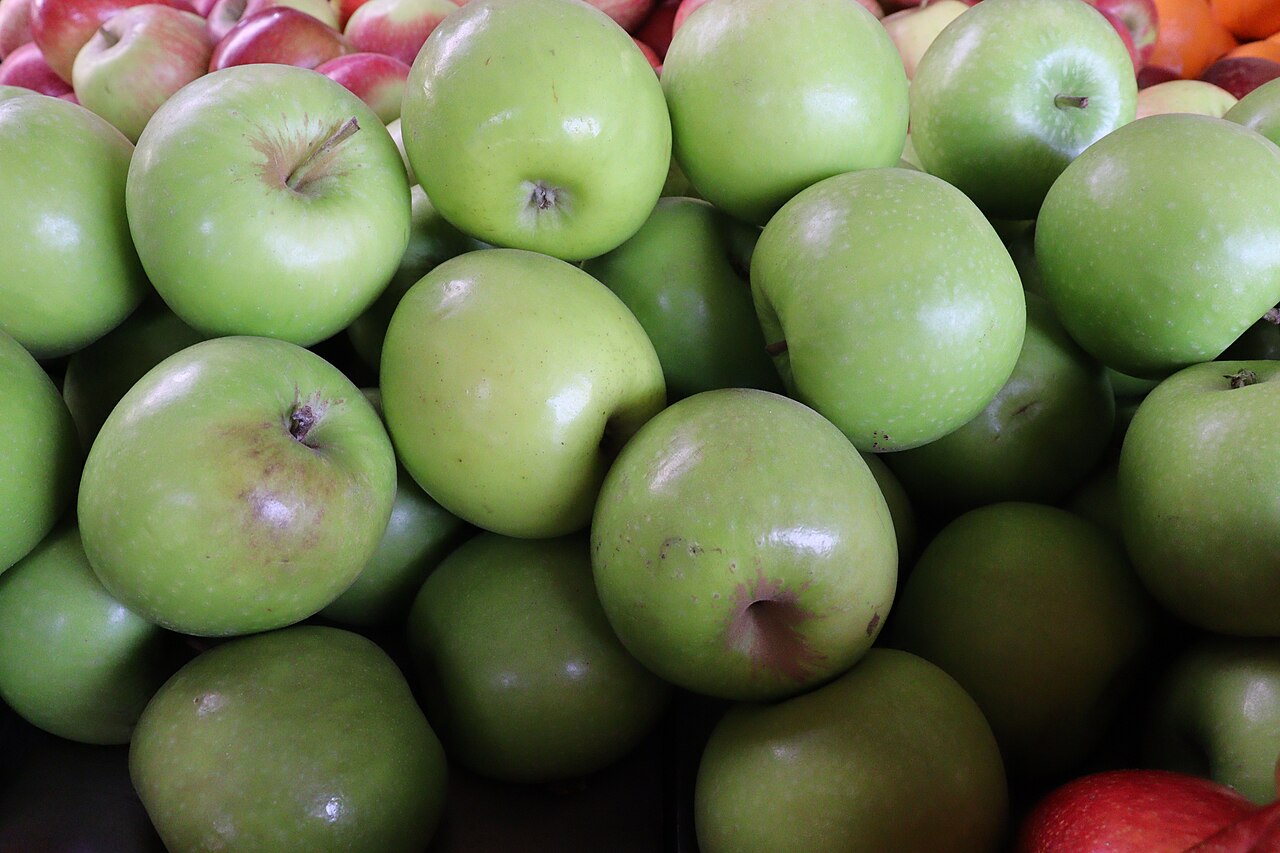
Green or red, use the same preparation: wash, core, remove seeds, and offer a little flesh. Your dog’s preference does not determine the portion.
Do apples replace toothbrushing?
No. The AKC cautions that apple chewing is not a substitute for regular dental care. Choose a snack for enjoyment, not as a dental treatment.
Does my dog need fruit every day?
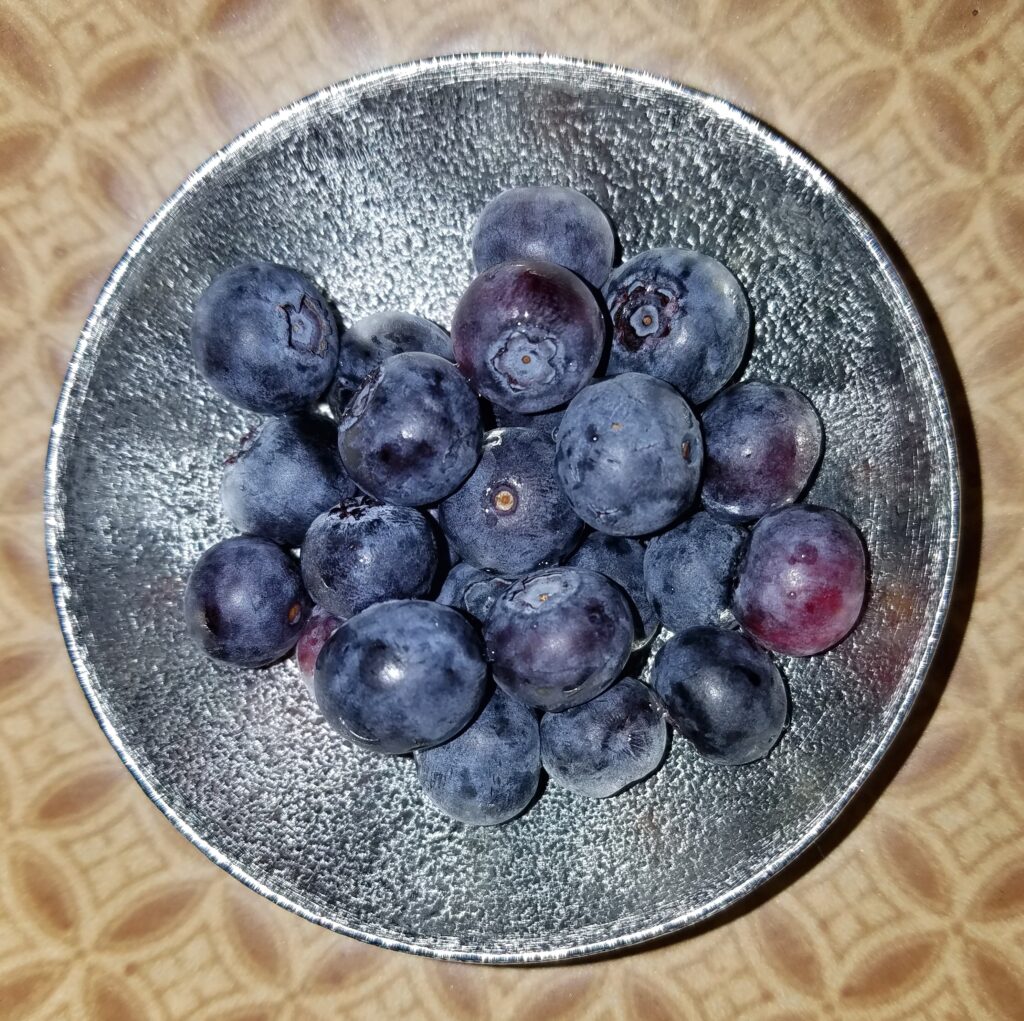
No fruit schedule is required by this guide. A suitable complete diet comes first. For another prepared-food option, see blueberries; for time together without food, explore food-free enrichment.
Sources and editorial notes
Veterinary, animal-welfare, and food-handling sources are linked beside the guidance they support. The kitchen reminders and planner example are editorial suggestions, not a tested feeding program. Individual dietary advice should come from your veterinarian. Read our editorial standards.
Photo: safaritravelplus, Wikimedia Commons, CC0. The photograph shows the ingredient, not a serving size.