Food & treats guides · True to Dogs
Can dogs eat longan? A little ripe flesh is considered low risk by the Royal Veterinary Center, but a whole longan is a different matter: the seed can become lodged in the digestive tract. We recommend choosing a familiar, dog-appropriate treat instead of offering this fruit.
Already eaten some? Call your veterinarian promptly if your dog swallowed a seed or whole fruit, ate unripe fruit, or you cannot tell what went down. Trouble breathing, choking, or collapse needs emergency veterinary care immediately.
What to do if your dog ate longan
- Put the remaining fruit out of reach. Clear away fallen seeds and shells, and keep the packaging if the fruit came from a can, snack mix, dessert, or drink.
- Work out what was eaten. Note whether it was flesh alone, a seed, shell, or a whole fruit; estimate the amount and time. Have your dog’s weight, symptoms, and relevant medical history ready when you call.
- Ask your vet what to do next. Mention a missing seed even if your dog currently seems well. If it was only a small amount of plain ripe flesh, explain that distinction; it does not carry the same seed-obstruction concern. Seek advice if symptoms develop or you are uncertain.
- Do not try to make your dog vomit. Only do so if a veterinary professional specifically directs you. Do not give salt, oil, or other home remedies.
The ASPCA’s exposure guidance explains why identifying the substance and contacting a professional matters. In the U.S., suspected poisoning can also be discussed with ASPCA Poison Control at 888-426-4435; a consultation fee may apply. A swallowed seed also needs a veterinarian’s assessment for a physical blockage.
Longan flesh, seeds, and shells: what is the difference?
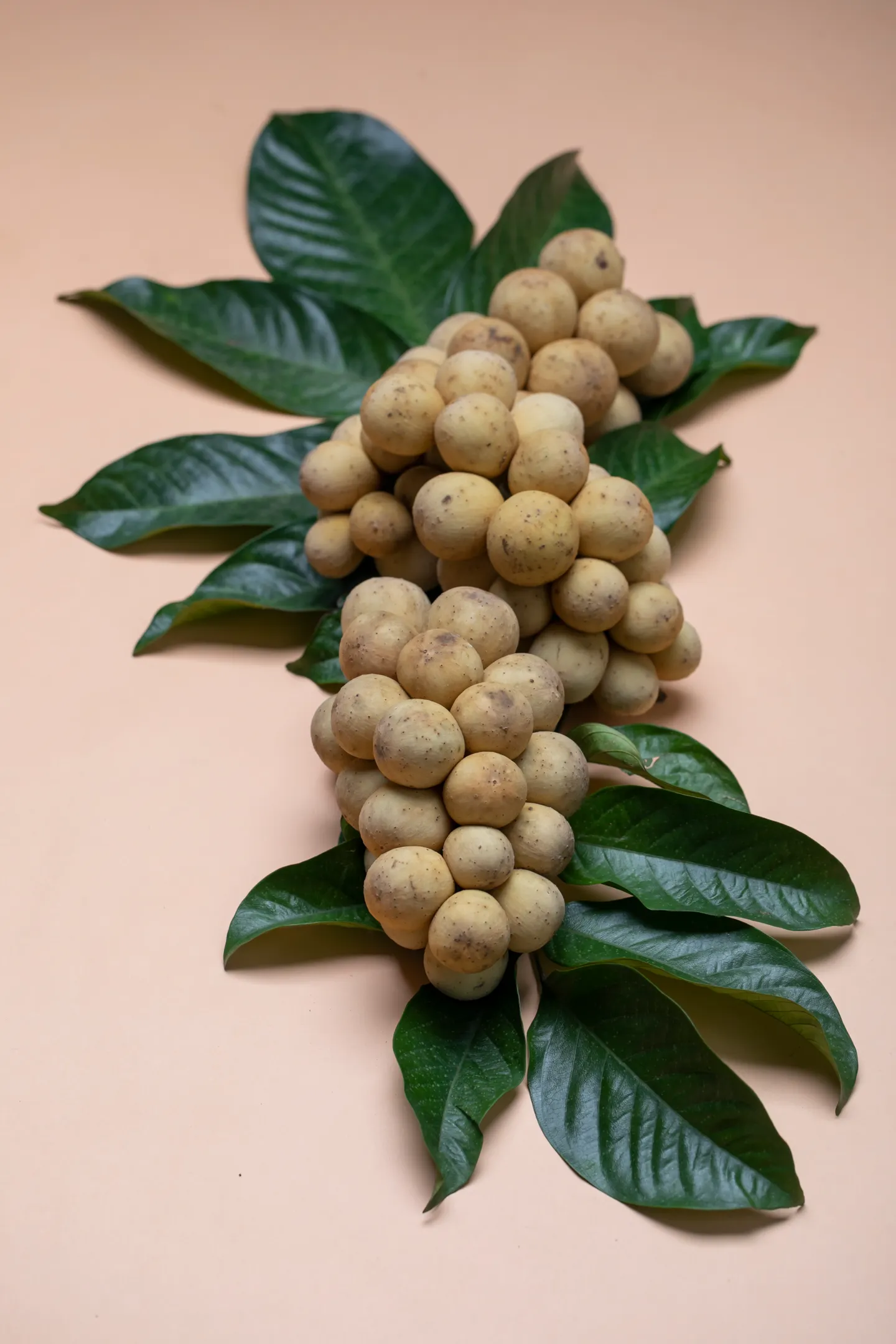
Longan, also called dragon eye fruit, is Dimocarpus longan. It has a tan outer shell, pale translucent flesh, and a rounded dark seed. The University of Florida’s longan guide describes the fruit and its fresh, dried, and canned forms.
- Ripe flesh: the Royal Veterinary Center’s lychee and longan guidance describes a small amount as low risk. That is not a guarantee for every dog, or a reason to introduce longan as a regular treat.
- The seed: the same veterinary guidance warns that swallowed pits can block the intestine. Do not assume a seed will pass because it is small.
- The shell or whole fruit: do not offer these. If swallowed, describe the amount and pieces to your vet so they can assess the risk.
- Unripe fruit: the Royal Veterinary Center flags additional concerns with unripe lychee and longan. Tell your vet if the fruit may have been unripe.
Our recommendation to skip longan as a treat is a precaution based on these concerns. We have not established a safe serving size for dogs, and removing the shell and seed should not be read as a feeding recommendation.
Signs that need veterinary attention
After a suspected seed or shell ingestion, watch for vomiting, reduced appetite, abdominal discomfort, diarrhea, straining to pass stool, or unusual tiredness. VCA Animal Hospitals lists these among possible signs of a swallowed foreign object. They do not confirm a diagnosis, and their absence does not prove a swallowed seed is harmless.
Contact your vet promptly about these changes. Do not wait for symptoms before calling about a known swallowed seed. If your dog struggles to breathe, appears to be choking, or collapses, go to an emergency veterinary hospital immediately; VCA’s emergency guidance treats breathing trouble and collapse as urgent.
Can dogs eat dried or canned longan?
We do not recommend either as a dog treat. Drying or canning is not evidence that a food is suitable for dogs. Products also differ: check whether seeds remain and read the full ingredient list rather than assuming every longan product contains only fruit.
If your dog ate a packaged product, keep its label for the vet. Mention syrup, sweeteners, other fruits, and any dessert or drink ingredients. The assessment needs to cover the whole product, not just the word “longan” on the front.
A simpler choice for treats and enrichment
For everyday games, use a small portion of your dog’s usual food from their daily allowance, or a familiar treat that fits their diet. The World Small Animal Veterinary Association’s treat guidance recommends keeping treats within 10% of daily calories and checking suitability when a dog has a medical condition, dietary sensitivity, or prescribed diet.
You can make familiar food interesting with an easy muffin tin game. Or leave snacks out altogether and try enrichment without treats, such as a toy search or a short game together.
Sources and editorial notes
This article draws on the veterinary and university sources linked above, plus the ASPCA’s advice on inducing vomiting. It provides general information, not a diagnosis or an individualized feeding plan. The cited organizations have not reviewed or endorsed this article. For a specific exposure, contact your veterinarian.