Food & treats guides · Individual food
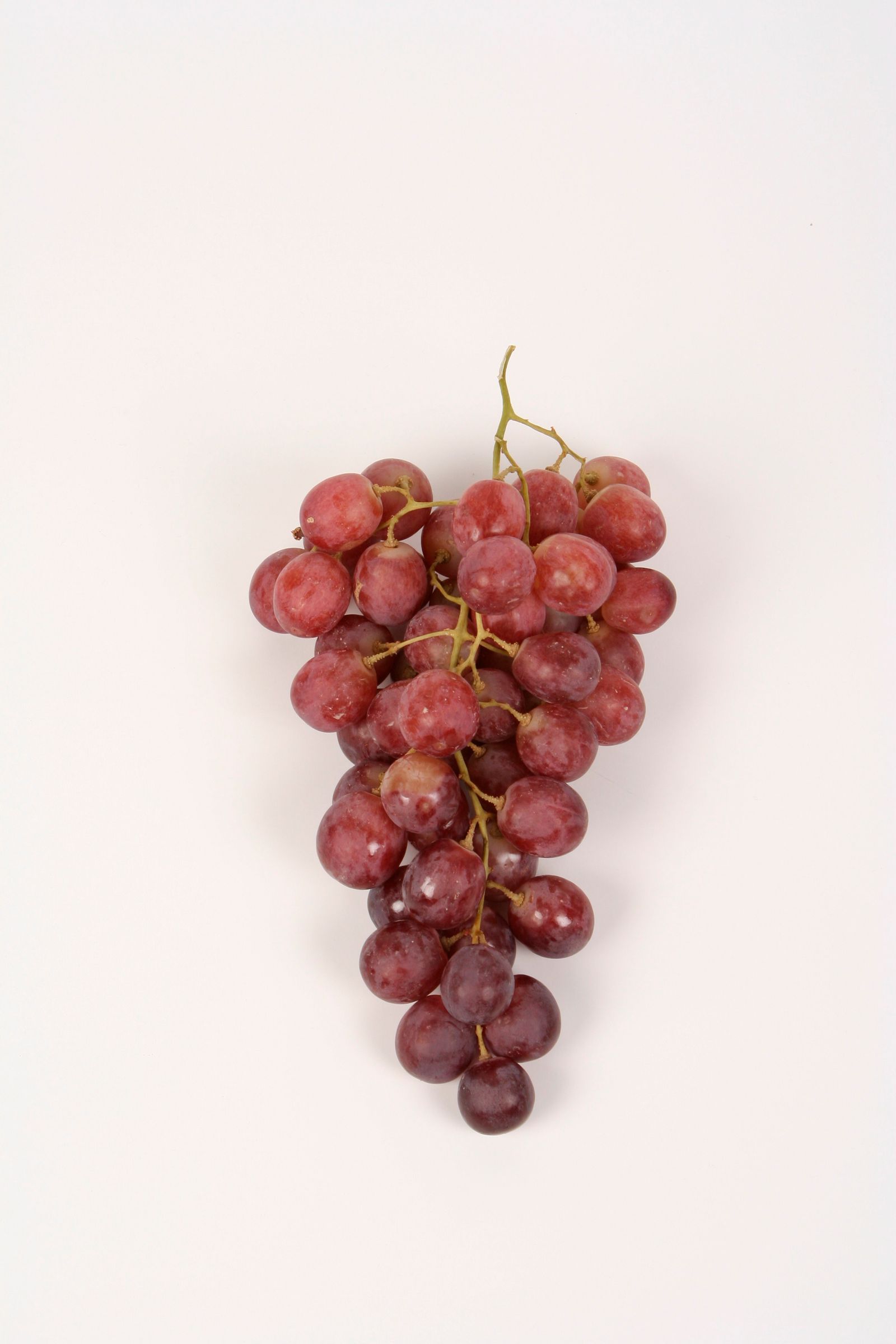
No. Grapes and raisins can cause serious poisoning in dogs and should not be intentionally fed. The exact preparation matters, so use the plain-food guidance below rather than assuming every recipe or packaged version has the same answer.
For a broader lookup, use the Can My Dog Eat This? Food Explorer or What Can Dogs Eat?.
Quick answer
Status: Avoid.
- Keep grapes, raisins, currant-type dried fruit, trail mix, raisin bread, cereals, and baked goods containing raisins out of reach.
- Do not use dog size or the number eaten to guess that an exposure is safe.
- Save the package and estimate the amount and time if an exposure occurs.
How to prepare it
Keep grapes, raisins, currant-type dried fruit, trail mix, raisin bread, cereals, and baked goods containing raisins out of reach. Do not use dog size or the number eaten to guess that an exposure is safe. Save the package and estimate the amount and time if an exposure occurs.
If the food is being used as a treat, keep it inside the dog’s overall feeding plan. A generally suitable human food is still optional; it does not need to be added to a complete diet.
What to watch out for
The Merck Veterinary Manual describes grape and raisin toxicosis in dogs and notes that kidney failure can occur. Individual susceptibility varies, which is why a dependable safe dose should not be assumed.
Prepared dishes deserve a whole-label check. Onion, garlic, xylitol, chocolate, high fat, heavy salt, sauces, bones, pits, rinds, or other additions can matter more than the headline ingredient.
What if my dog already ate it?
Contact your veterinarian, emergency veterinary clinic, or animal poison-control service promptly after a known or suspected grape or raisin ingestion—even if the dog currently looks normal. Do not induce vomiting unless a veterinary professional instructs you to do so.
For a possible toxin, foreign object, choking event, repeated vomiting, collapse, seizures, breathing difficulty, severe weakness, or marked pain, seek veterinary help promptly. Do not induce vomiting or give a home remedy unless a veterinary professional directs you.
How this fits the bigger diet
Human foods are best treated as optional extras unless your veterinary team has designed them into the diet. A food can be safe in principle and still be a poor choice for a dog with a prescribed diet, pancreatitis history, swallowing difficulty, food allergy, obesity plan, kidney disease, or another individual need.
Compare other foods in the fruit guide, vegetable guide, human foods guide, or the printable food chart.
Common questions
Can dogs eat this every day?
There is no daily requirement for this food. If it is appropriate for your dog, keep it within the overall feeding plan and use the dog’s complete food as the nutritional foundation.
Is the cooked version always safer?
No. Cooking can change texture, but it does not make toxic ingredients such as onion safe, and it can add butter, salt, sauces, or other unsuitable ingredients.
Should I call the vet after an accidental bite?
That depends on the food, amount, product ingredients, object swallowed, and how your dog is acting. For a known toxin or concerning symptoms, call promptly rather than relying on an online dose estimate.
Sources and editorial notes
This guide draws on Merck Veterinary Manual and ASPCA people-food safety guidance. It is educational guidance, not a feeding prescription or poison-dose calculator. See our editorial standards.