Food & treats guides · Fruit reference
Many healthy dogs can enjoy a little prepared apple, blueberry, strawberry, banana, mango, pineapple, or watermelon. Preparation and portion matter; grapes and raisins should not be offered. This guide answers both “what fruits can dogs eat?” and the equally important “what fruits can dogs not eat?” with links to detailed ingredient pages.
For a searchable lookup across fruit, vegetables, proteins, dairy, grains, and prepared foods, use the Can My Dog Eat This? Food Explorer. For the complete category map, start with What Can Dogs Eat?.
Start with the fruit you can identify and prepare correctly, not whichever ingredient has the most impressive health claims. A plain piece of flesh, a whole fruit with a pit, and a sweetened mixed dessert are three different feeding decisions.
A practical fruit reference
PDSA’s veterinary feeding guidance includes several of these fruits as small extras. The preparation column is essential: it is not an optional finishing touch.
| Fruit | Prepare before sharing | Useful detail |
|---|---|---|
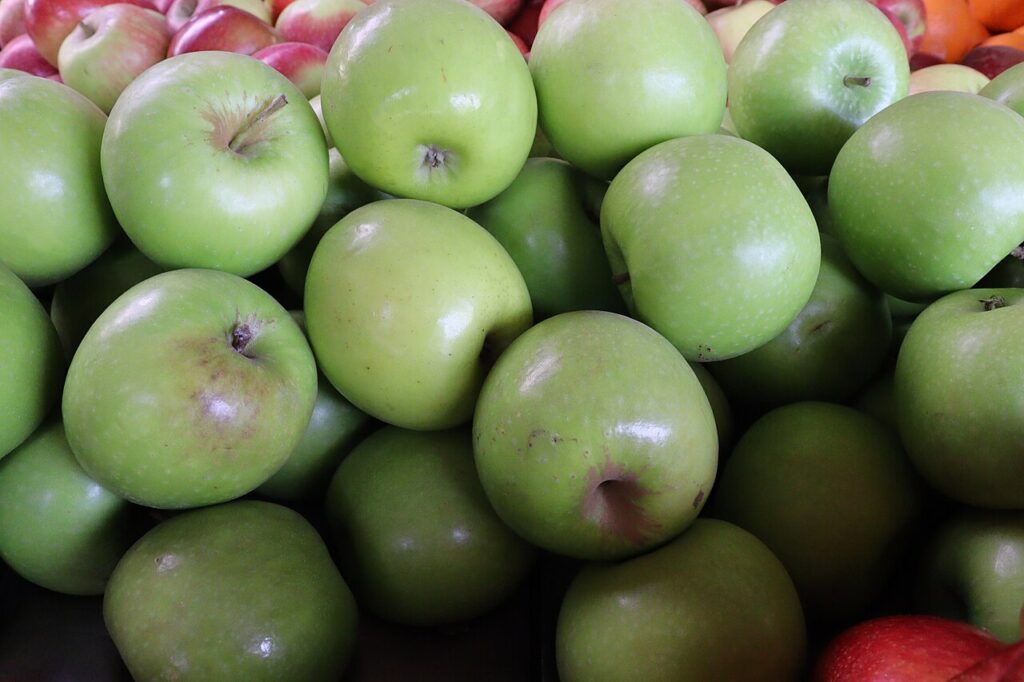
| Apple | Remove stem, core, and seeds; cut the washed flesh. | Do not give the core as a chew. |
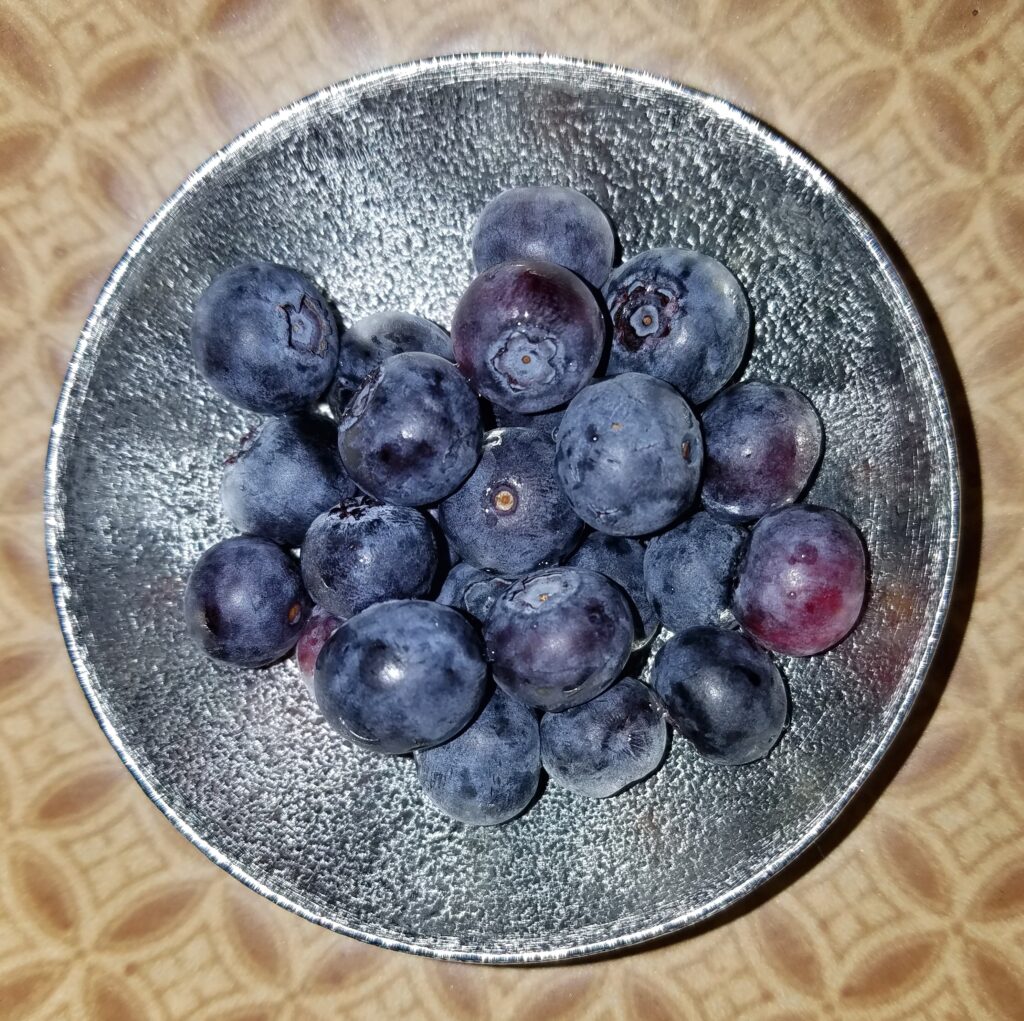
| Blueberries | Wash; cut or mash when a whole berry is difficult to manage. | A small round berry can still be a choking concern. |
| Strawberry | Wash, remove the leafy top, and cut into manageable pieces. | Choose fruit, not syrup or a sweetened dessert. |
| Banana | Remove the peel and prepare a small piece of flesh. | A whole banana is not a universal dog portion. |
| Mango | Remove skin and the entire pit; cut ripe flesh. | Keep the pit out of reach while preparing. |
| Pear | Remove stem, core, and seeds; cut the flesh. | Discard trimmings securely. |
| Pineapple | Remove the tough outside and core; offer a little flesh. | Do not substitute fruit packed in syrup. |
| Watermelon | Remove rind and seeds; prepare small pieces of flesh. | Do not let the dog chew the rind. |
The AKC’s produce overview provides additional ingredient-specific cautions. For watermelon, its separate guide emphasizes removing the rind and seeds and keeping the amount modest.
This reference covers common options, not every edible plant. An unknown garden berry is not made suitable by looking like a listed fruit. Choose an identifiable food ingredient instead of encouraging foraging from unfamiliar plants.
What fruits can dogs not eat?
Grapes and raisins are the clearest fruit-related keep-away item in this guide. Also keep pits, cores, seeds, tough rinds, and unknown garden fruit away when the specific plant or part has not been identified as suitable.
Keep grapes and raisins off the menu
Our grape safety guide explains why an exposure deserves prompt attention. Cornell’s veterinary guidance warns that grapes, raisins, sultanas, and Zante currants can cause acute kidney injury. A dependable safe amount cannot be predicted for an individual dog. Call your veterinarian or an animal poison service immediately after known or suspected ingestion, even when the dog seems normal.
Check trail mix, baked goods, breakfast cereals, and dropped snacks, not only the fruit bowl. Save the product and estimate the amount and time. Do not induce vomiting or give a home remedy without veterinary direction.
Fruit products need a whole-label check
A yogurt, jam, smoothie, dried mix, or fruit-flavored treat may contain ingredients that are not part of the fresh fruit. Read the full list rather than judging from the front label. The FDA warns that xylitol, a sweetener used in some products, is toxic to dogs.
For a planned snack, the simplest approach is to reserve plain fruit before adding toppings. Rinsing a mixed dish or removing a visible raisin is not a reliable way to undo its preparation.
Plan the extra before offering it
Fruit is optional. Start with a very small amount and watch tolerance rather than handing over a bowl because the ingredient is generally suitable. A food that agrees with one dog may not fit another dog’s medical diet or swallowing ability.
AAHA’s general treat limit is no more than 10% of daily calories from all extras together. It is a ceiling, not a fruit target. Training rewards, chews, and toppers share the same allowance, and veterinary restrictions may be tighter.
Our practical planning sequence is one fruit, one small portion, one household note. Set aside the amount before interacting with your dog. Record that it was offered so another caregiver does not unknowingly repeat it. Do not introduce several new foods together when you are trying to assess tolerance.
Match the snack to the task
A soft prepared piece may be convenient for a calm taste, while wet fruit can be messy for repeated reward delivery or a search game. Use your dog’s familiar appropriate food when it better suits the setup. An activity does not become more enriching because it contains an expensive or unusual ingredient.
For ingredient details, follow the apple, blueberry, and mango links above. For another choice, compare our vegetable reference. The activity finder also includes options that require no extra food.
Common questions
Can dogs eat fruit every day?
Some dogs may tolerate small appropriate extras, but there is no daily fruit requirement here. Keep the complete feeding plan central and choose according to individual advice.
Is frozen fruit better?
Not automatically. A hard frozen piece may be less manageable for some dogs. Thaw and prepare it when necessary, and do not use frozen fruit as a substitute for dental or heat-illness care.
What if my dog swallows a pit or core?
Call your veterinarian with the fruit, object size, dog size, and timing. A dog initially looking normal does not establish that a foreign object will pass safely.
Sources and editorial notes
The reference brings together veterinary and animal-welfare guidance with links to the site’s detailed ingredient pages. It does not rank fruits as treatments, prescribe portions, or claim feeding trials. See our editorial standards.