Food & treats guides · Food safety
Common foods that can be toxic or dangerous to dogs include grapes and raisins, onions and garlic, xylitol-containing products, chocolate, alcohol, macadamia nuts, and some other human foods. The exact risk after an exposure depends on the ingredient, amount, dog, and timing, so this page is for prevention—not dose calculation.
If your dog has already eaten something potentially toxic, contact your veterinarian, an emergency veterinary clinic, or an animal poison-control service rather than waiting for symptoms or relying on an online “toxicity calculator.”
Common toxic or dangerous foods for dogs
| Food or ingredient | Why it matters | What to do |
|---|---|---|
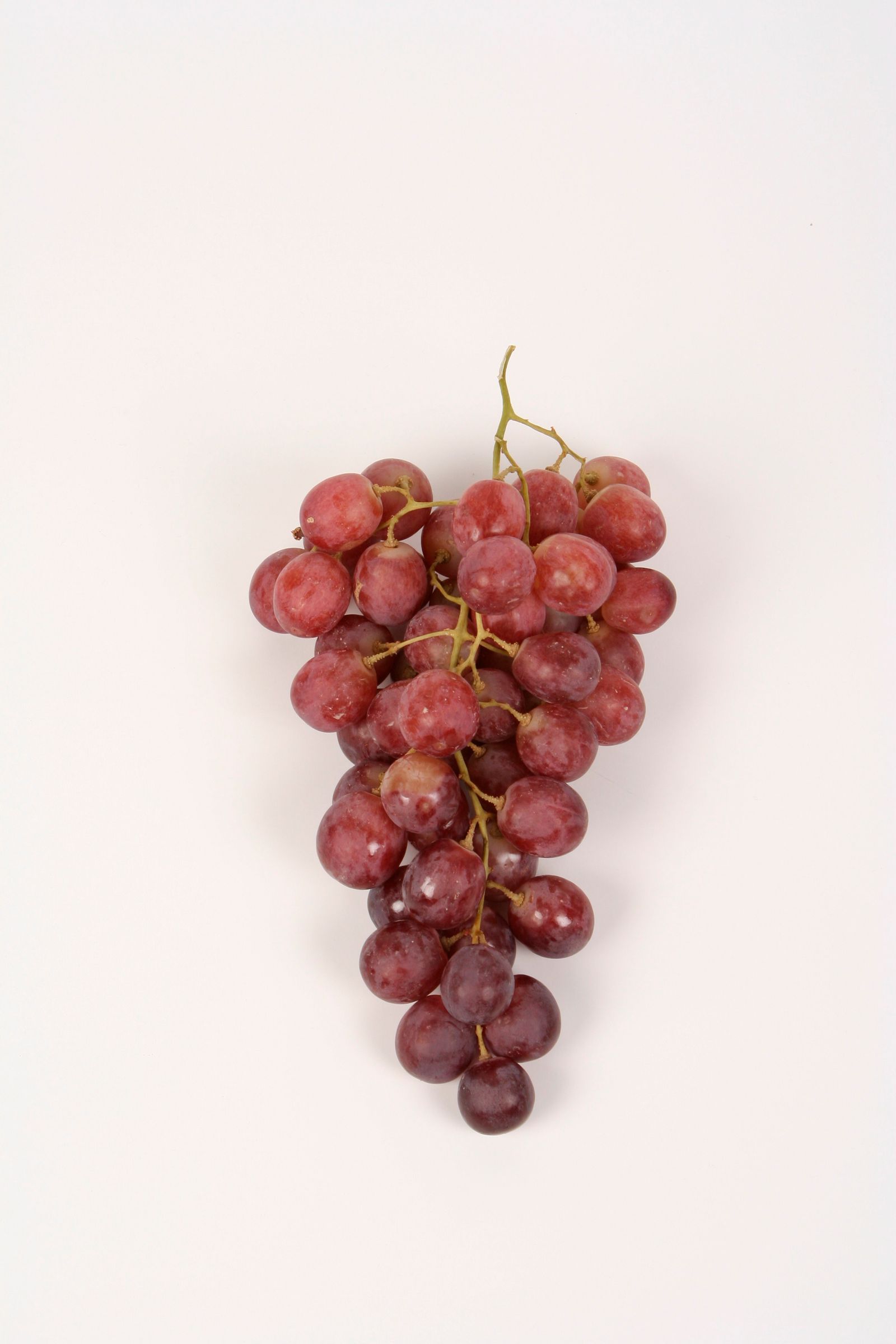
| Grapes & raisins | Associated with kidney injury; a reliable safe amount cannot be predicted | Contact veterinary/poison guidance after an exposure |
| Onions, garlic, chives, leeks | Allium species can damage red blood cells and cause GI signs | Do not intentionally feed; call after a concerning exposure |
| Xylitol | Can trigger severe hypoglycemia and other serious effects in dogs | Emergency veterinary guidance |
| Chocolate/cocoa | Toxicity varies with chocolate type, amount, and dog | Get case-specific veterinary/poison advice |
| Alcohol | Can cause serious neurologic and respiratory effects | Seek veterinary care |
| Macadamia nuts | Can cause weakness, incoordination, vomiting, tremors, and fever | Contact veterinary/poison guidance |
Grapes and raisins need prompt attention
The Merck Veterinary Manual notes that grape and raisin toxicosis in dogs can progress to kidney failure. The ASPCA also identifies grapes and raisins as an important people-food toxin. Do not assume one grape, one raisin, or a dog that currently looks normal establishes safety.
Read the full grape safety guide for product examples such as trail mix, baked goods, cereals, and raisin-containing snacks.
Onion, garlic, chives, and leeks
These Allium ingredients can cause gastrointestinal irritation and red blood cell damage. Powdered forms can also be present in seasoning blends, soups, sauces, baby food, meat products, and prepared meals.
See onions and garlic for the ingredient-specific guidance.
Xylitol can hide in products that do not look like candy
The FDA warns that xylitol may appear in sugar-free gum, candy, desserts, cough syrup, vitamins, toothpaste, mouthwash, supplements, and some peanut or nut butters. It can also be called birch sugar or wood sugar.
Always read the ingredient list before giving peanut butter or another human product to a dog.
Not every food emergency is a toxin
Corn cobs, fruit pits, bones, wrappers, skewers, and other swallowed objects can cause obstruction or injury even when the food itself is not toxic. High-fat meals can also create serious problems for some dogs.
That is why the Food Explorer separates ingredient safety from preparation and physical hazards.
What to do after a concerning ingestion
- Move the remaining food or product out of reach.
- Save the package or ingredient label if available.
- Estimate what was eaten and when without delaying the call.
- Contact your veterinarian, an emergency clinic, or an animal poison-control service.
- Do not induce vomiting or give a home remedy unless a veterinary professional specifically directs you.
Collapse, seizures, breathing difficulty, severe weakness, or other major illness signs require emergency care.
Keep a prevention chart in the kitchen
Use the printable foods dogs can eat chart for common suitable foods and a clearly separated “keep away” section. The chart is a memory aid, not a poison-dose reference.
Sources and editorial notes
See the ASPCA people-food hazard list, Merck Veterinary Manual grape/raisin toxicosis guidance, and the FDA xylitol warning. See our editorial standards.