Food & treats guides · Kale
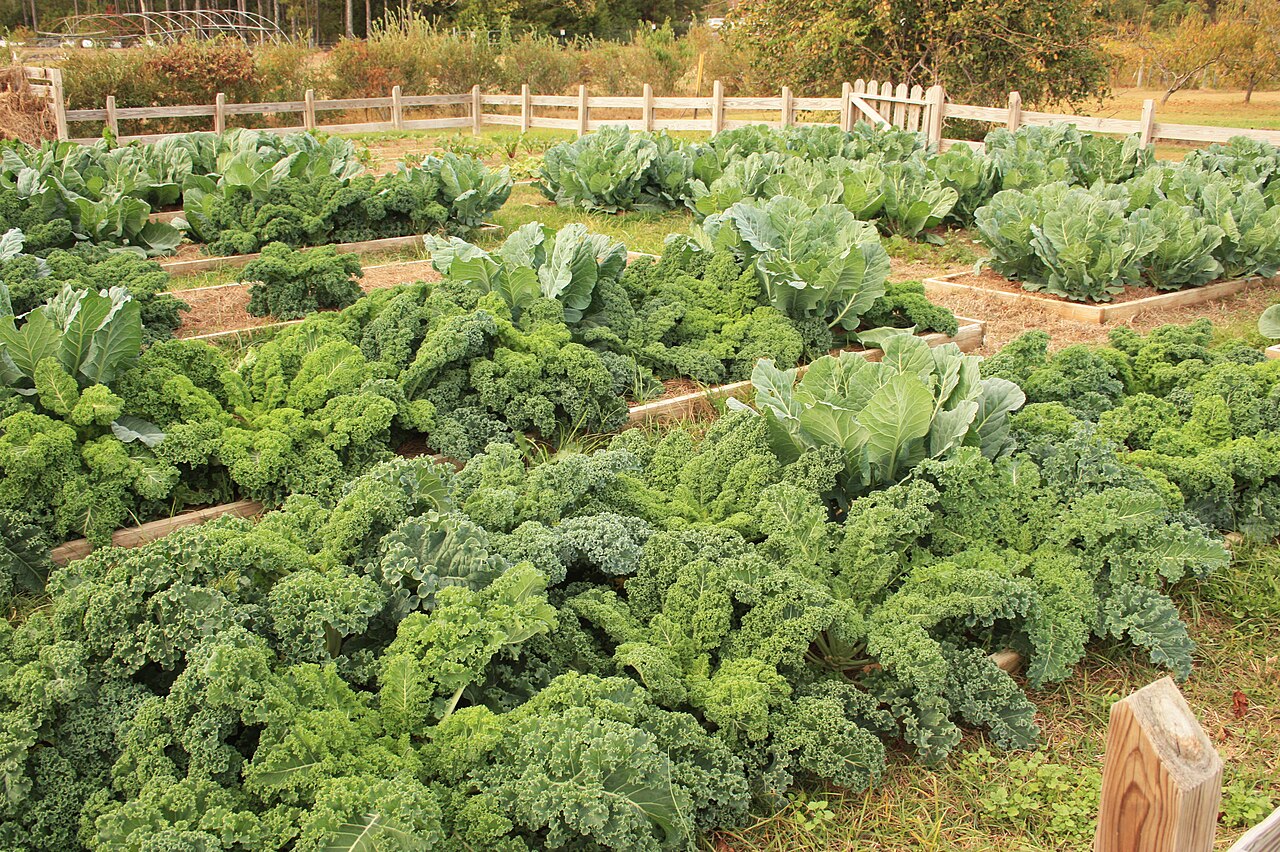
A small amount of plain kale may be tolerated by a healthy dog, but kale is not a necessary daily addition or an automatically suitable choice for every dog. Ask your veterinarian before offering it to a dog with kidney, urinary-stone, thyroid, or digestive concerns. The AKC’s guidance highlights naturally occurring compounds that make amount and individual health relevant.
The practical choice is not between calling kale a miracle food and treating every fallen leaf as a poisoning emergency. Separate a little accidental taste from a deliberate feeding routine, then consider the actual preparation and the dog in front of you.
Why does kale receive mixed advice?
Kale contains calcium oxalate and isothiocyanates. The AKC discusses urinary concerns in susceptible dogs and gastrointestinal irritation with substantial amounts. These cautions do not establish that one small leaf will cause a stone or that a number borrowed from a broccoli article is a validated kale dose.
PetMD’s veterinarian-reviewed guide allows small occasional amounts for healthy dogs while advising particular care for kidney and digestive problems. The useful common ground is modest exposure and individual advice—not a large bowl of greens or a daily supplement plan.
When veterinary guidance differs in emphasis, use your dog’s medical history to make the decision. A food that another healthy adult dog tolerates may not fit a prescribed urinary diet or a plan for recurrent stomach upset.
Decide before preparing a serving
| Question | Why it matters | Practical next step |
|---|---|---|
| Does the dog have a relevant health condition or prescribed diet? | General snack advice may not fit. | Check with the veterinary team first. |
| Is this plain kale or part of a recipe? | Seasonings and other ingredients change the question. | Use an untouched ingredient rather than leftovers. |
| Is it one small taste or a repeated large addition? | Amount and frequency are different exposures. | Do not turn a tolerated taste into a daily routine automatically. |
| Can the dog manage the texture? | Stalks and large fibrous pieces can be awkward. | Remove tough stems and prepare small soft pieces. |
| What need is this intended to meet? | An optional treat is not a treatment or complete meal. | Keep medical and dietary goals with the veterinary team. |
This table helps organize the decision; it does not diagnose a condition or certify a serving. Choosing not to offer kale is a perfectly reasonable result.
Keep an approved taste plain and manageable
When kale is appropriate for your dog, wash the leaves, remove the tough stalks, and chop a small amount. Plain cooking can soften the texture. Cool it before offering, and keep oil, salt, sauces, onion, and garlic out of the dog’s portion.
PetMD recommends keeping the portion modest and observing tolerance. Introduce only one new extra at a time so that a change in appetite or digestion is easier to describe. Do not require a dog to finish food they do not want.
Kale chips, salad dressings, green smoothies, and supplement powders are different products. Read the entire label. Our garlic guide explains why a vegetable cooked with garlic needs a separate exposure assessment; picking out a leaf does not tell you how much seasoning came with it.
Do dogs need greens to complete their food?
The FDA explains that a complete-and-balanced pet food is intended to provide the necessary nutrients when used for the appropriate animal and life stage. An extra vegetable should not displace a substantial part of that diet or be used to repair an assumed deficiency without assessment.
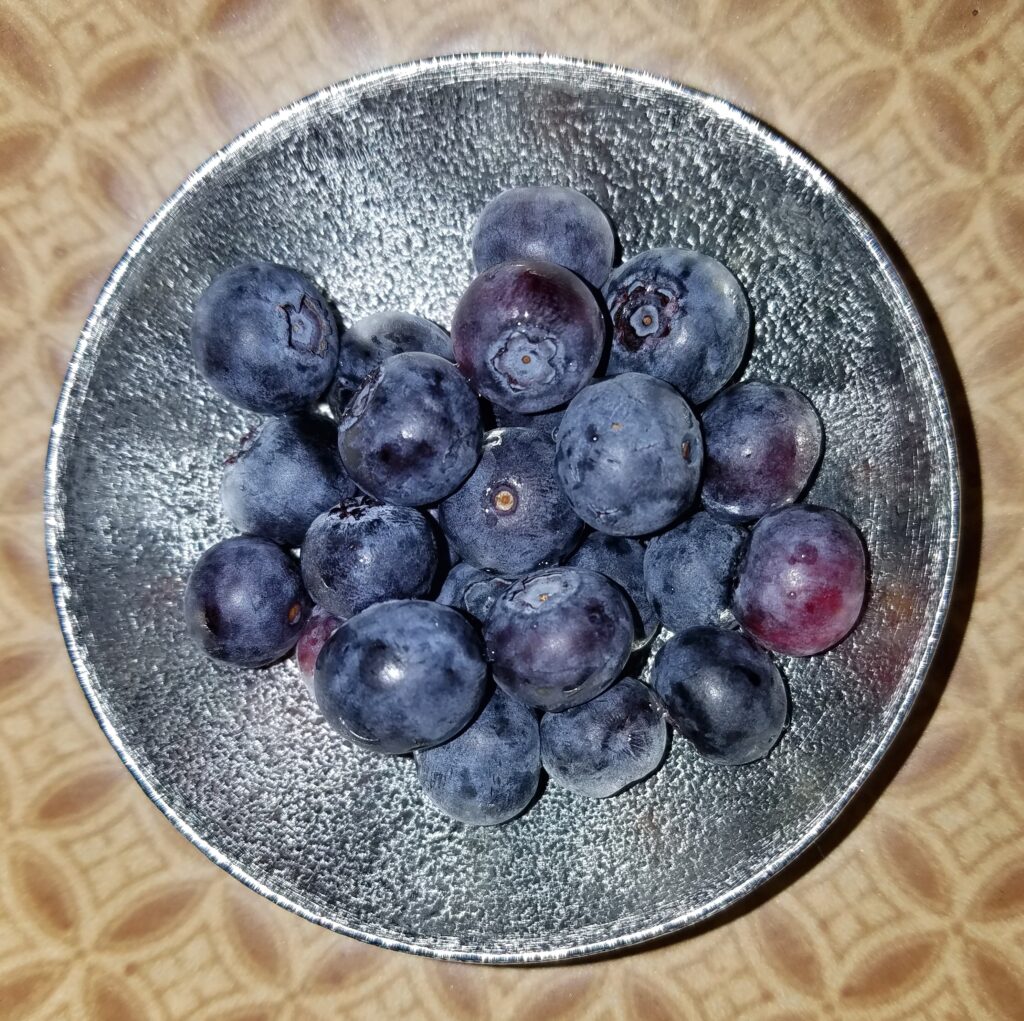
For an occasional food reward, a familiar option already permitted in your dog’s plan is often simpler. Compare plain cucumber or prepared blueberries. Their own preparation and portion limits still apply.
Our household suggestion is to agree on one treat container or note for the day. It reduces the chance that several people each add a separate handful of healthy-looking extras. The weekly planner can hold a reminder, but it does not balance a diet.
What if your dog already ate kale?
Record whether it was raw, cooked, seasoned, or a packaged product, approximately how much was eaten, and when. Contact your veterinarian when the quantity is substantial or uncertain, the dog has a relevant condition, or you notice concerning changes. A little plain leaf and a bowl of garlic-seasoned leftovers should not receive the same assumption.
Stop the extra food and seek advice for vomiting, persistent diarrhea, apparent pain, unusual urination, or a dog who seems unwell. Difficulty breathing or collapse requires emergency care. Do not attempt to induce vomiting or give a home antidote.
Common questions
Is cooked kale always safe?
No preparation guarantees suitability for every dog. Cooking changes texture but does not replace portion control, ingredient checks, or veterinary dietary advice.
Does kale prevent cancer or detox a dog?
This guide makes neither claim. A food containing nutrients or plant compounds is not evidence that a serving prevents or treats disease.
What if my dog refuses it?
Skip it. Use their usual appropriate reward or choose food-free time together rather than persuading them to eat an unnecessary ingredient.
Sources and editorial notes
The linked veterinary-informed resources explain the limits of general kale advice; FDA guidance provides the complete-diet context. The decision table and household reminder are editorial tools, not a feeding trial. See our editorial standards.