Food & treats guides · Pumpkin
Yes, dogs can have a little plain cooked pumpkin or additive-free canned pumpkin puree. Pumpkin pie filling, seasoned leftovers, and a pumpkin used as a decoration are not equivalent choices. Dogs Trust includes additive-free tinned pumpkin puree among suitable foods. Keep it a small extra unless your veterinarian has prescribed a specific feeding plan.
The important second question is why you are offering it. A healthy dog’s occasional taste and an attempt to treat diarrhea or constipation are different decisions. This guide covers both without turning a kitchen ingredient into a universal remedy.
Choose the pumpkin product, not just the picture on the can
PetMD’s veterinary-reviewed pumpkin guide distinguishes plain cooked flesh and 100% canned pumpkin from raw chunks, rind, seasoned preparations, and pie filling. Its home-preparation advice is to remove the skin and seeds, cook the flesh until soft, and let it cool before serving.
| What you have | What to check | Decision |
|---|---|---|
| Plain canned puree | The ingredient list, condition, and storage instructions. | Consider a small portion when it fits the dog’s diet. |
| Fresh pumpkin for cooking | Remove rind, stem, and seeds; cook the flesh plain. | Cool and prepare a little soft flesh. |
| Pumpkin pie filling | Added sugar, spices, or other ingredients. | Do not use it as the plain-pumpkin snack. |
| A flavored dessert or drink | The complete recipe, including sweeteners. | Keep the dog’s portion separate from the human treat. |
| A carved, painted, or old display pumpkin | It is a decoration, not the fresh food prepared here. | Use a separate food ingredient instead. |
Our kitchen rule is to choose a simple ingredient list you can explain. A can labeled “pumpkin” on the front still deserves a turn around to the back. Follow the package’s refrigeration and use-after-opening instructions, and discard spoiled food.
Prepare a small plain portion
- Decide whether this is a treat or prescribed feeding. Use the veterinarian’s instructions for a medical plan. Do not borrow a treatment amount for a casual snack.
- Prepare only the suitable part. For fresh pumpkin, use cooked flesh without seasonings or scraps. Plain puree is a convenient alternative.
- Let cooked food cool. Bring over only the amount intended for the dog, not the whole cooking bowl.
- Introduce a little. Watch for intolerance rather than adding a large amount because the ingredient is usually suitable.
- Record what was offered. Keep extras coordinated between household members.
A practical reminder might read “plain pumpkin already included today.” The weekly planner can store that note, but it is not a feeding calculator or medical record. Keep actual prescribed quantities and clinical observations in the format your veterinary team recommends.
Does pumpkin help diarrhea or constipation?
Some guidance, including the AKC’s discussion of pumpkin and digestive upset, describes potential benefits in selected mild cases. It also emphasizes checking the cause and seeking veterinary help. That is not evidence that every loose stool or difficult toilet trip needs the same spoonful.
Veterinary nutritionist Lisa Freeman explains in Tufts’ The Problem with Pumpkin that small additions may provide less fiber than owners expect. Both the amount and type of fiber matter, and pumpkin is not nutritionally interchangeable with a therapeutic diet.
Tufts’ separate fiber overview explains that the appropriate source and quantity depend on the animal and the treatment goal. Our takeaway is to treat pumpkin as a possible ingredient in an individual plan, not a diagnosis or a guaranteed fix.
Do not keep increasing the amount while a dog remains unwell. A change in stool does not establish the original cause, and an improvement after adding food does not prove that the food treated it.
How much pumpkin should you give?
For an otherwise healthy dog trying it as an extra, start small and fit it into the overall feeding plan. For digestive treatment, ask the veterinary team for the particular product, amount, frequency, and review point. This guide does not provide a universal tablespoon-per-weight prescription.
Freeman’s Tufts article also warns that excessive extras can unbalance the diet and that some canned products contain added salt or substantial sugar. Do not replace part of a complete meal with an arbitrary bowl of pumpkin or assume that every can has the same composition.
Here is a useful question to take to the clinic: “Is additional fiber appropriate for this problem, and if so, which source and exact amount should we use?” That is more helpful than asking only how many spoonfuls a dog of a particular weight can have.
When to call instead of trying another kitchen remedy
Cornell’s diarrhea guidance advises veterinary attention for accompanying vomiting, appetite loss, lethargy, blood, or black stool, and for diarrhea that does not resolve. A puppy, frail dog, or dog with an existing condition needs an especially cautious individual plan.
Repeated straining, pain, suspected swallowing of a foreign object, or a dog who seems significantly unwell should not be managed by simply adding pumpkin. Describe the symptoms and ask for triage. Difficulty breathing or collapse requires emergency care.
For a prepared dessert, save the label and report the amount and time. The FDA warns that xylitol is toxic to dogs; suspected ingestion needs immediate professional advice. Do not assume every pie filling contains it, but do not assume “sugar-free” means suitable either.
Common questions
Can dogs eat raw pumpkin?
This guide uses plain cooked flesh or puree instead. PetMD cautions that raw pieces and tough rind can be difficult to digest or swallow. Do not use the whole pumpkin as an edible play object.
Are pumpkin seeds the same as puree?
No. Seeds have a different texture and composition. Removing them keeps this preparation simple; it is not a claim that every seed is poisonous. Ask about suitable preparation before treating seeds as a separate snack.
Should I add pumpkin every day?
Not automatically. There is no daily pumpkin requirement here. Follow an individual veterinary plan when one is prescribed; otherwise, keep the complete diet central and optional extras modest.
Can I use pumpkin as enrichment food?
A dog who already tolerates it may enjoy a small prepared portion, but food suitability and toy suitability are separate checks. Use a product according to its instructions and supervise. Our chewing guide explains that reusable toys are not intended to be eaten. For another simple ingredient, see cucumber.
Sources and editorial notes
This article separates general food suitability from veterinary decisions about fiber. Source links identify the guidance behind those distinctions. The label checklist, household reminder, and clinic question are editorial tools, not a tested diet or treatment protocol. Read our editorial standards.
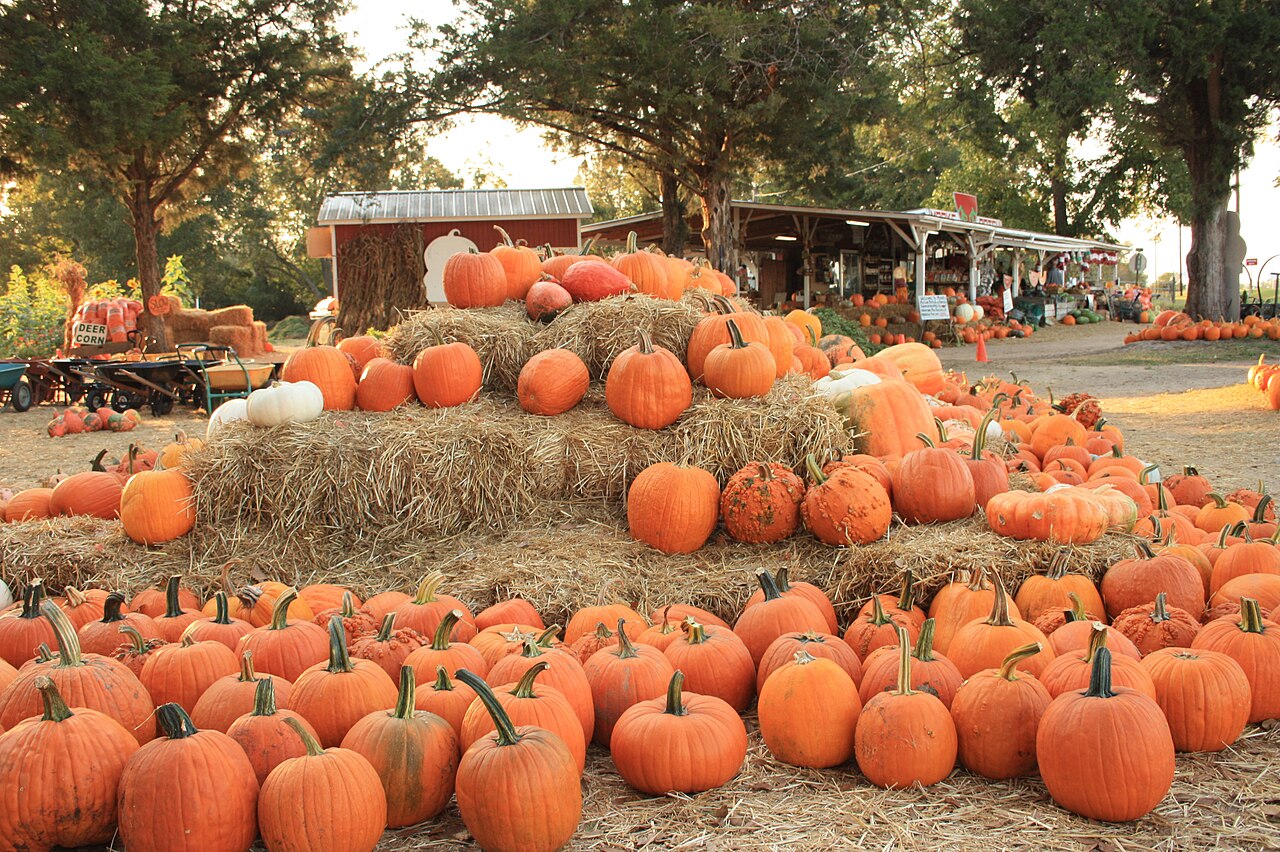
Photo: Bruce Dupree / Alabama Extension, Wikimedia Commons, CC0. The harvest scene illustrates the ingredient, not a serving or preparation method.
.jpg)