Food & treats guides · Individual food
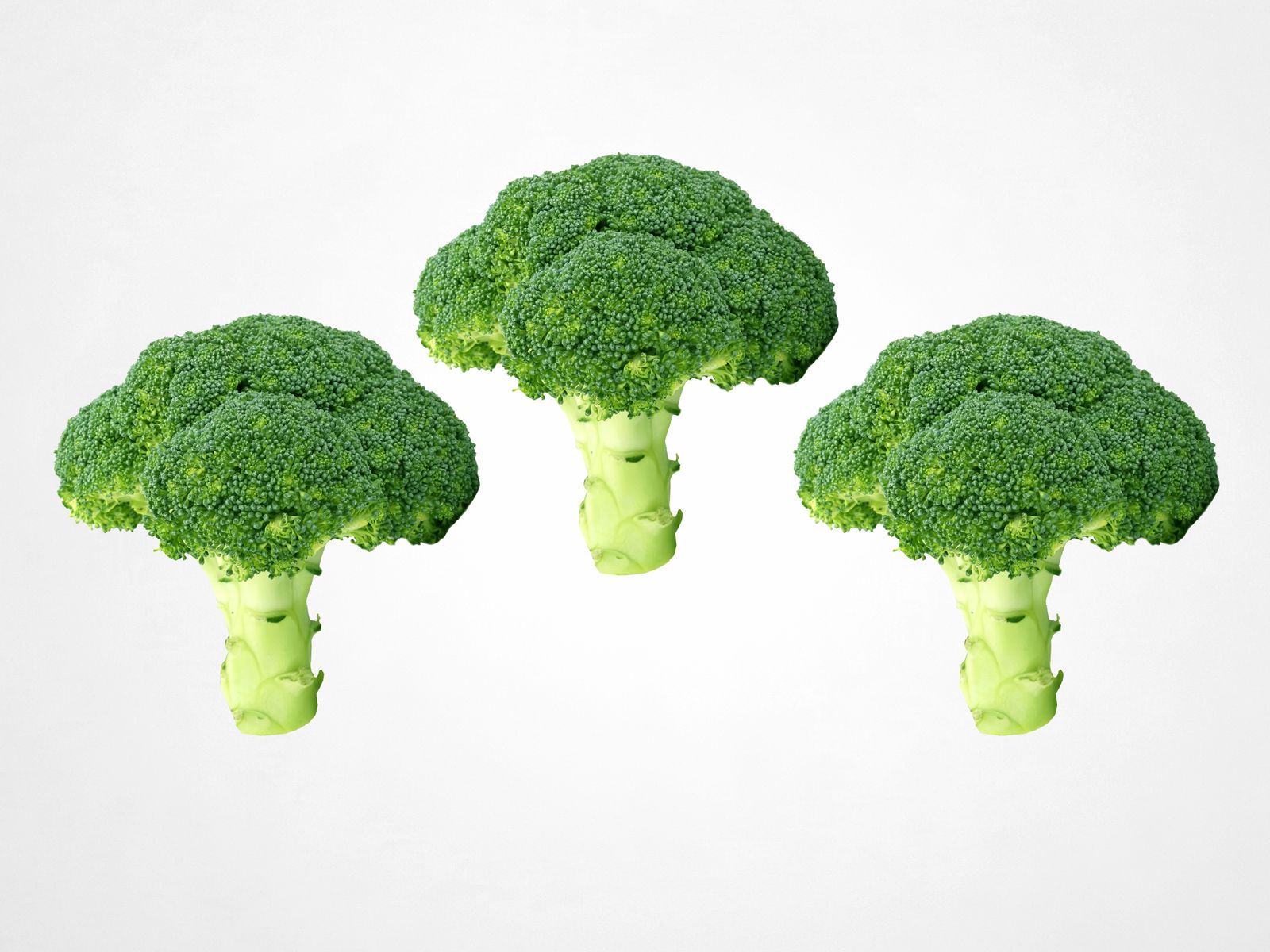
Yes—small amounts of plain broccoli can be suitable for many dogs. The exact preparation matters, so use the plain-food guidance below rather than assuming every recipe or packaged version has the same answer.
For a broader lookup, use the Can My Dog Eat This? Food Explorer or What Can Dogs Eat?.
Quick answer
Status: Generally suitable.
- Wash the broccoli.
- Offer a small amount plain, raw or cooked as appropriate for the dog.
- Cut florets and stalk pieces into manageable sizes.
- Do not add garlic, onion, cheese sauce, butter, or heavy seasoning.
How to prepare it
Wash the broccoli. Offer a small amount plain, raw or cooked as appropriate for the dog. Cut florets and stalk pieces into manageable sizes. Do not add garlic, onion, cheese sauce, butter, or heavy seasoning.
If the food is being used as a treat, keep it inside the dog’s overall feeding plan. A generally suitable human food is still optional; it does not need to be added to a complete diet.
What to watch out for
Broccoli can cause digestive discomfort, especially in larger amounts. Stalk pieces can also be awkward or difficult for some dogs to chew and swallow safely.
Prepared dishes deserve a whole-label check. Onion, garlic, xylitol, chocolate, high fat, heavy salt, sauces, bones, pits, rinds, or other additions can matter more than the headline ingredient.
What if my dog already ate it?
A few plain broccoli pieces are usually a tolerance question. If a dog swallowed a very large tough stalk or develops repeated vomiting, abdominal pain, or marked discomfort, contact your veterinarian.
For a possible toxin, foreign object, choking event, repeated vomiting, collapse, seizures, breathing difficulty, severe weakness, or marked pain, seek veterinary help promptly. Do not induce vomiting or give a home remedy unless a veterinary professional directs you.
How this fits the bigger diet
Human foods are best treated as optional extras unless your veterinary team has designed them into the diet. A food can be safe in principle and still be a poor choice for a dog with a prescribed diet, pancreatitis history, swallowing difficulty, food allergy, obesity plan, kidney disease, or another individual need.
Compare other foods in the fruit guide, vegetable guide, human foods guide, or the printable food chart.
Questions about broccoli
Is raw or cooked broccoli better for a dog?
Either can be offered plain in a very small amount. Cooking softens the texture, which may make it easier to manage. Keep oil, butter, garlic, and sauces out, and cut the vegetable into pieces suited to your dog. See AKC broccoli guidance.
Can dogs eat broccoli stalks as well as florets?
Stalks need particular care because tough pieces can lodge in the throat or esophagus. Do not hand over a large stalk as a chew. Cut it small and consider softening it by cooking; supervise your dog while eating. See AKC broccoli guidance.
Why can broccoli cause stomach upset in dogs?
Broccoli florets contain isothiocyanates, compounds that can irritate a dog’s digestive tract. Individual tolerance varies. Stop offering broccoli if it causes discomfort, and seek veterinary advice for ongoing symptoms rather than trying to build tolerance with larger servings. See AKC broccoli guidance.
How much broccoli should I add to my dog’s bowl?
Begin with a very small piece, not a scoop of florets. A general treat allowance is not a broccoli-specific safe dose. Your dog’s size, response, and feeding plan matter more than a universal count of pieces. See AKC broccoli guidance.
Sources and editorial notes
This guide draws on AKC produce guidance and VCA treat guidance. The questions above link to additional food-specific guidance. It is educational information, not a feeding prescription or poison-dose calculator. See our editorial standards.