Food & treats guides · Human foods
Some plain human foods can be shared with many dogs in small amounts, including cooked egg, carrots, strawberries, seedless watermelon, cooked sweet potato, rice, and other simple ingredients. The important word is plain. Seasoning, sweeteners, sauces, fat, bones, and mixed ingredients can completely change the answer.
For a broader overview, start with What Can Dogs Eat?. For a searchable lookup, use the Food Explorer.
Examples of human foods dogs can eat
| Food | How to share | Check first |
|---|---|---|
| Cooked egg | Fully cooked, plain | No butter, onion, garlic, or heavy seasoning |
| Carrot | Plain and cut for the dog | Texture and piece size |
| Strawberry | Washed, top removed, cut | No syrup or sweetened coating |
| Watermelon | Rind and seeds removed | Plain flesh only |
| Sweet potato | Cooked plain | No casserole toppings or seasonings |
| Rice | Cooked and plain | Not a complete diet on its own |
| Cheese | Small amount if tolerated | Dairy tolerance, fat, salt, added ingredients |
| Peanut butter | Only after reading the label | No xylitol; keep the amount small |
Good human snacks for dogs are simple, not elaborate
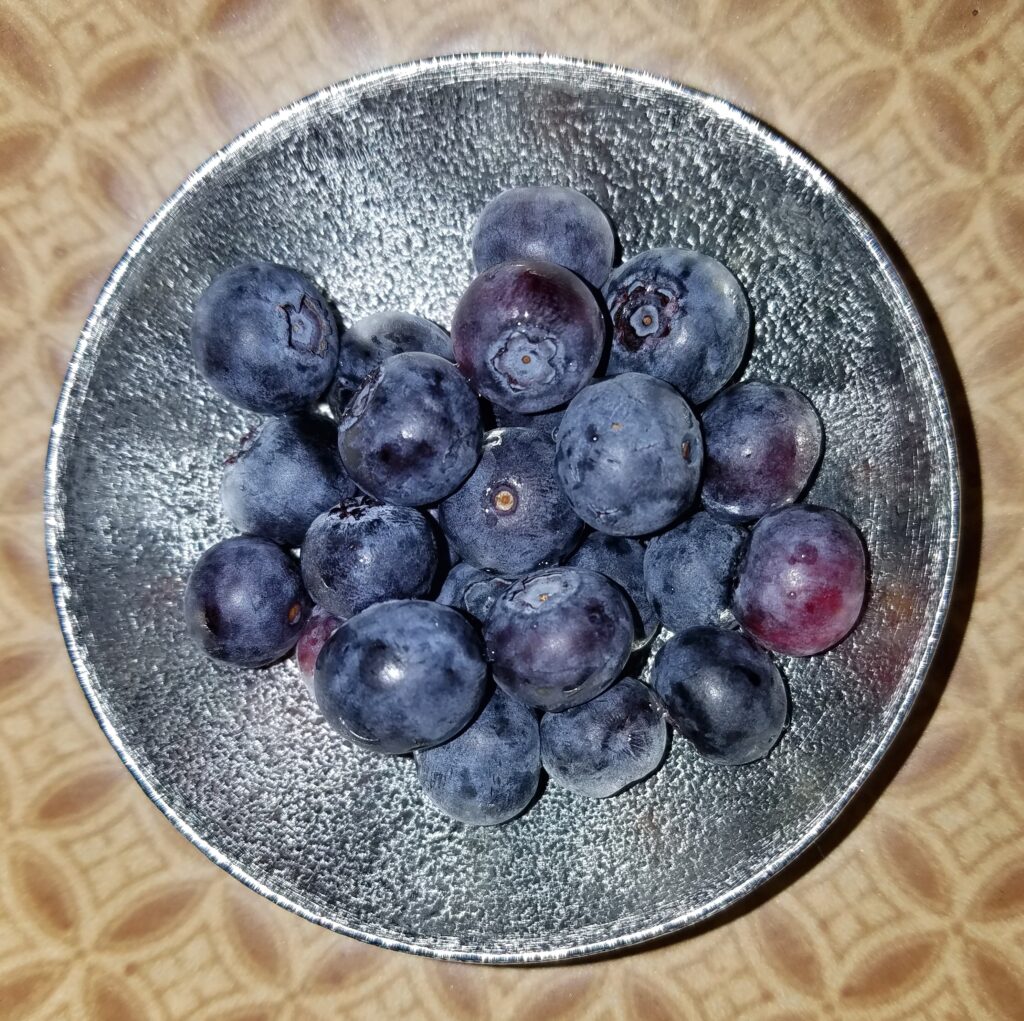
A good shared snack is usually one ingredient you can identify and prepare correctly. VCA lists foods such as cooked eggs, carrots, blueberries, strawberries, seedless watermelon, and cheese among examples that may be used as treats, while emphasizing that extras should remain limited.
You do not need to turn a dog snack into a recipe. A small piece of plain carrot can be easier to evaluate than a “healthy” muffin containing six ingredients.
Mixed dishes are a different question
Pizza, casseroles, stir-fries, soups, desserts, sauces, dips, seasoned meat, and leftovers may contain onion, garlic, high fat, excess salt, xylitol, grapes/raisins, chocolate, bones, or other hazards. Removing a visible ingredient after cooking does not necessarily make the rest of the dish appropriate.
If you want to share something from dinner, reserve the plain ingredient before seasoning.
Cheese and peanut butter are not automatically “healthy” because dogs like them
Cheese and peanut butter are often used as high-value rewards, but they can be calorie-dense and high in fat. Dairy may also cause digestive upset in some dogs. Peanut and nut butters must be checked for xylitol; the FDA warns that xylitol can cause severe poisoning in dogs.
Use these foods because they fit a specific purpose and the individual dog—not simply because the dog would eat more.
Human foods to keep away from dogs
Do not intentionally feed grapes/raisins, onions, garlic, xylitol-containing products, chocolate, alcohol, or other known hazards. Read the full toxic foods guide and keep it separate from the optional snack list.
A snack list is not a home-cooked diet plan
Rice, egg, vegetables, fruit, or meat can be individual ingredients without forming a complete and balanced diet. VCA notes that home-prepared combinations such as chicken and rice are not nutritionally complete for long-term feeding unless properly formulated.
If you want to make a major diet change rather than share an occasional extra, involve your veterinarian or a qualified veterinary nutrition professional.
Common questions
Can dogs eat table food?
That depends on the exact ingredients. Plain individual foods may be suitable; mixed dishes often contain ingredients or preparation choices that make them a poor option.
What human snacks are easiest to share?
Plain, identifiable, low-complexity foods such as a small piece of carrot, strawberry, cooked egg, or seedless watermelon are easier to evaluate than mixed snacks.
Can I use human food for dog training?
Sometimes, if the food is appropriate and the amount fits the dog’s overall feeding plan. The dog’s normal food may also work well as a reward.
Sources and editorial notes
See VCA’s treat guidance, the AKC fruit and vegetable reference, ASPCA food hazards, and the FDA xylitol warning. See our editorial standards.