Food & treats guides · Cabbage
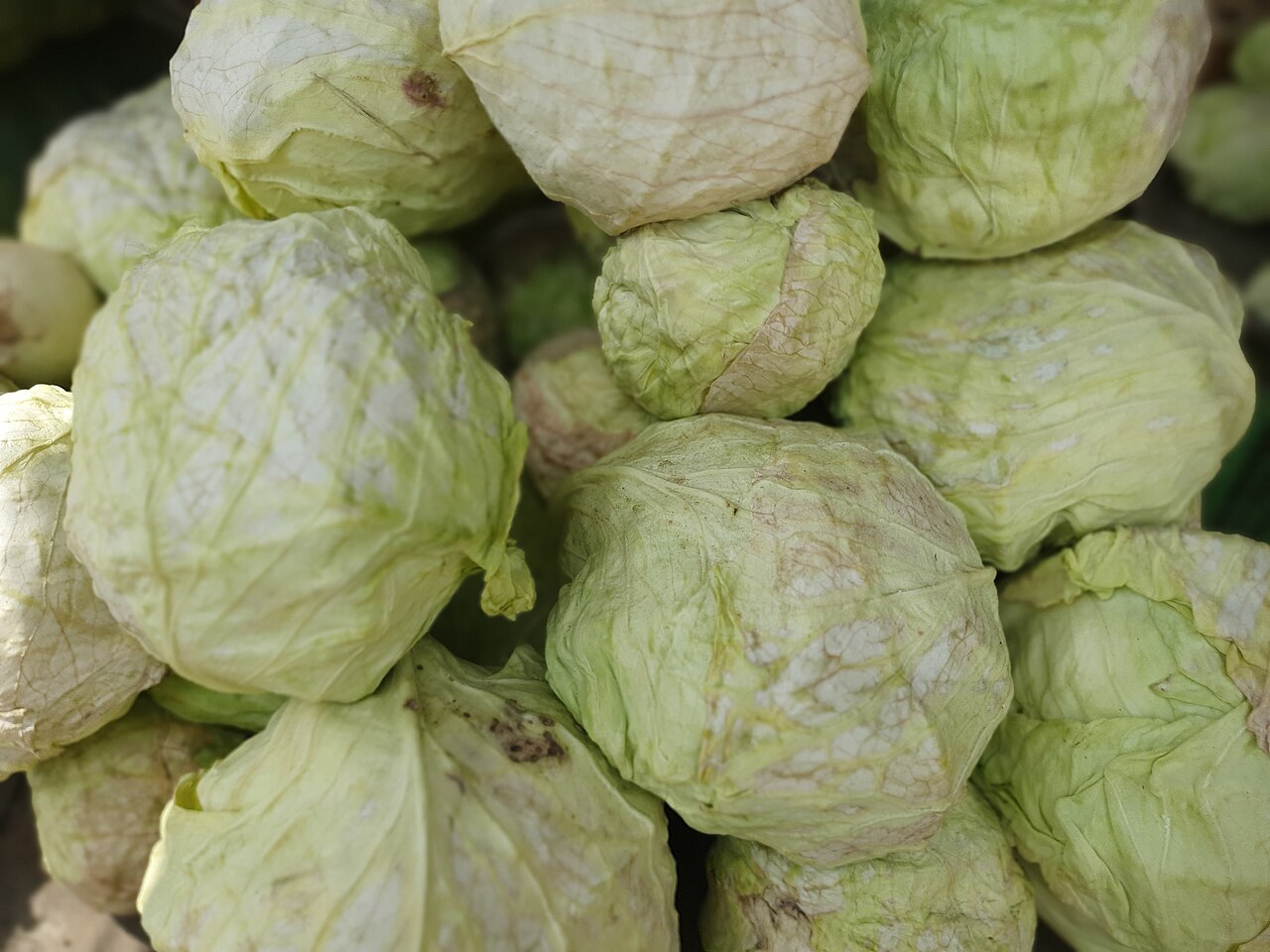
Yes, most healthy dogs can eat a little plain cabbage, but preparation and tolerance matter. Remove the tough core, chop the leaves, and offer only a small amount. Plain steamed or boiled cabbage may be easier to tolerate than raw cabbage. The AKC’s veterinarian-informed guidance allows modest amounts while warning about gas and digestive upset.
Cabbage is an optional extra, not a vegetable your dog needs every day. A dog with a prescribed diet, troublesome gas, or a history of serious digestive problems should have an individual feeding plan rather than a kitchen experiment.
Raw or cooked: what changes?
Raw cabbage is not automatically poisonous. Its fibrous texture, however, can make large pieces awkward to manage. Cooking softens the leaves; it does not make butter, garlic, onion, or other additions suitable. Set aside the dog’s portion before seasoning the human meal.
| Form | Practical decision | Avoid |
|---|---|---|
| Raw leaves | Wash and finely chop a little. | A whole leaf or tough core to chew. |
| Steamed or boiled leaves | Serve plain, chopped, and cooled. | Butter, stock, salt, or seasoning. |
| Red or green cabbage | Use the same small-portion approach. | Assuming color makes unlimited servings acceptable. |
| Coleslaw, stir-fry, or stuffed cabbage | Check the whole recipe; choose separate plain cabbage instead. | Picking visible onion pieces out and declaring the dish safe. |
| Kimchi or sauerkraut | Do not substitute these for the plain ingredient. | Assuming fermentation removes salt or unsuitable additions. |
The table is a household decision aid. It does not certify a prepared product. A recipe that works for your dinner may have several ingredients that do not belong in your dog’s snack.
An easy preparation sequence
- Use fresh cabbage and remove damaged leaves and the tough core.
- Wash the leaves. The FDA recommends washing produce with running water, not soap or detergent.
- Chop a small amount. Steam or boil it without additions when a softer texture is preferable, then let it cool.
- Offer a small first taste separately from other new foods. Watch how your dog eats and whether they tolerate it.
- Keep the unused portion and scraps out of reach. A successful taste is not a reason to hand over the bowl.
A separate dish labeled for the dog can prevent accidental sharing of dressed leftovers. This is especially useful when several people prepare meals: everyone knows which portion is plain and whether it has already been offered.
Gas is a reason to simplify, not push through
The AKC cautions that cabbage can produce substantial gas and may not suit dogs already prone to it. Stop offering cabbage if it causes discomfort. There is no benefit in gradually increasing it merely because the dog likes the taste.
Do not confuse ordinary flatulence with a suddenly swollen or painful abdomen. The American College of Veterinary Surgeons describes stomach dilation and twisting as an emergency. Repeated attempts to vomit without bringing anything up, abdominal enlargement, marked restlessness, weakness, or collapse need urgent veterinary care. Do not assume these signs are harmless cabbage gas.
For routine treat planning, AAHA advises keeping all extras within a small share of daily calories, generally no more than 10%. This is an overall ceiling, not a cabbage dose or a guarantee of digestive tolerance. Your veterinary feeding instructions take priority.
Do not use cabbage as a digestive treatment
The presence of fiber does not establish that cabbage will fix constipation, diarrhea, or weight gain. Those problems can have different causes. Adding several vegetables at once also makes it harder to work out which change was helpful or poorly tolerated.
Keep a simple record of the food, approximate amount, and any change you notice. Ask your veterinarian about persistent digestive symptoms rather than switching repeatedly between cabbage, pumpkin, and supplements. For a simpler alternative snack, compare the preparation in our cucumber guide.
Common questions
Can dogs eat red cabbage?
Yes, the same plain, finely prepared, small-amount guidance applies. Red cabbage in a seasoned dish is a different question from the raw ingredient.
What if my dog ate cabbage cooked with garlic?
Contact your veterinarian or an animal poison service for an ingredient-specific assessment. Garlic is a separate toxicity concern; removing visible pieces does not undo an exposure.
Does a dog who refuses cabbage need another vegetable?
No. A suitable complete diet comes first, and treats are optional. Our food-free enrichment ideas offer ways to share time without adding a snack.
Sources and editorial notes
Source links distinguish food suitability, produce handling, treat planning, and emergency signs. The kitchen table and routine are practical examples, not a feeding trial or individualized veterinary advice. See our editorial standards.