Food & treats guides · Mango
Yes, most healthy dogs can eat a small amount of ripe mango flesh. Peel the fruit, remove the entire pit, and cut the flesh into manageable pieces before offering any. PDSA lists mango with the skin and stone removed as a suitable fruit option. A whole mango is not a chew toy, and the pit is not a treat to clean off.
For this snack, preparation matters more than the fruit’s reputation as a healthy food. Keep the edible flesh separate from the scraps, and decide on the dog’s portion before anyone starts sharing from the cutting board.
Mango flesh, skin, and pit: three different decisions
The American Kennel Club’s mango guide describes ripe flesh as soft but still recommends cutting it small. It advises removing skin because it is difficult to digest and warns that the large pit can cause choking or become stuck in the digestive tract.
| Part or product | Decision | Practical check |
|---|---|---|
| Ripe fresh flesh | A small, plain portion can be considered. | Make pieces your dog can manage comfortably. |
| Skin | Remove it before serving. | Check that no strips remain attached to the flesh. |
| Pit or stone | Keep it completely out of reach. | Dispose of it before bringing the dog their snack. |
| Frozen mango | Check that it is plain fruit. | Thaw and prepare it rather than offer a large hard chunk. |
| Dried, sweetened, or mixed products | Do not treat them as the same serving as fresh fruit. | Read the complete ingredient list and portion information. |
The table is a kitchen decision aid, not a certification of a particular product. An image of mango on a package tells you very little about what else is inside.
Prepare a little mango without sharing the scraps
- Wash the fruit first. Clean the outside before peeling or cutting, following the FDA’s produce-handling guidance. Use a clean knife and board.
- Separate the flesh from the pit. Remove the skin and keep only the soft edible flesh. Do not let the dog lick or chew the pit while you finish preparing food.
- Cut a small portion. Adjust the pieces to the dog rather than handing over the entire peeled section.
- Clear the workspace. Put the pit, peel, packaging, and knife away before offering the snack.
- Offer a small first taste. Watch how your dog handles it and whether it agrees with them. There is no need to finish the prepared portion.
Our useful household rule is “dog’s dish, not cutting board.” It gives everyone one clear place to put the intended treat. Keep another pet from competing for the food, and avoid tossing slippery pieces for an excited dog to catch.
How much mango can a dog have?
Keep mango occasional and modest. The AKC notes that too much can cause stomach upset or diarrhea. A dog enjoying the taste is not evidence that another serving is appropriate.
The general treat guideline is no more than 10% of total daily calories from all extras combined. That includes mango, training rewards, chews, and toppers—not 10% for each food. A veterinary feeding plan may set a different restriction.
Do not use a standard bowlful or a fraction of a whole mango as a universal serving. Fruit and dogs vary in size, and the rest of the day’s food matters. Ask your veterinary team about suitable extras when your dog has a prescribed diet, digestive problems, or another condition affecting feeding.
A planning example is to reserve one small portion and label it “included with today’s treats.” The weekly planner can record that reminder when several adults share care. It does not calculate the feeding allowance or track who has already offered food.
What about dried mango, frozen bags, or desserts?
The simplest choice in this guide is fresh, plain flesh. For a frozen bag, check the ingredients and prepare a thawed portion with the same attention to size. Freezing is not a reason to skip inspection or offer a hard chunk.
With dried fruit, do not copy the volume of a fresh-fruit serving: removing water changes how much fruit fits into that volume. Sweetened dried products, smoothies, ice cream, chutneys, and mixed snacks need their own ingredient check. There is no need to include them just to give your dog mango.
Be particularly alert to xylitol in sugar-free foods. The FDA identifies xylitol as dangerous to dogs. Suspected ingestion warrants immediate veterinary or animal poison-control advice. Save the label so the professional can assess the actual product and amount.
What should you do if your dog swallowed a mango pit?
Contact your veterinarian promptly, even if your dog initially seems comfortable. The pit’s size and shape make this a foreign-object concern, not simply a question about fruit. Tell the clinic your dog’s size, when it happened, and whether the pit was whole or chewed.
Merck describes digestive obstruction as a potentially serious problem, with signs that can include vomiting, reduced appetite, abdominal discomfort, and lethargy. Do not wait for the full list to appear. Difficulty breathing or collapse requires emergency care.
Do not try to push the pit through with another meal or a home remedy. Follow the veterinary instructions rather than assuming it will pass because another dog once swallowed a similar object.
Common questions
Can dogs eat mango skin?
Remove it for the prepared snack described here. The issue is digestibility and preparation, not a reason to panic automatically about every tiny accidental scrap. Seek advice when the amount is substantial, symptoms occur, or you are uncertain what was swallowed.
Can I let my dog lick the pit if I hold it?
No. Keep it out of the snack routine. Holding an object does not prevent a dog from grabbing it, and there is no benefit that requires using the pit.
Does my dog need mango for vitamins?
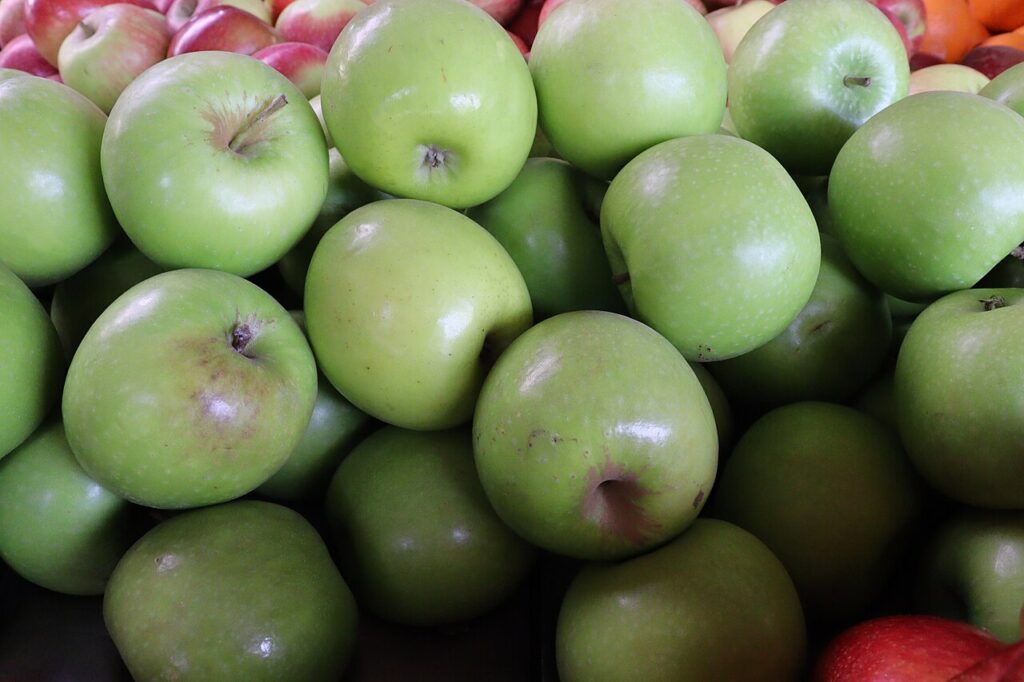
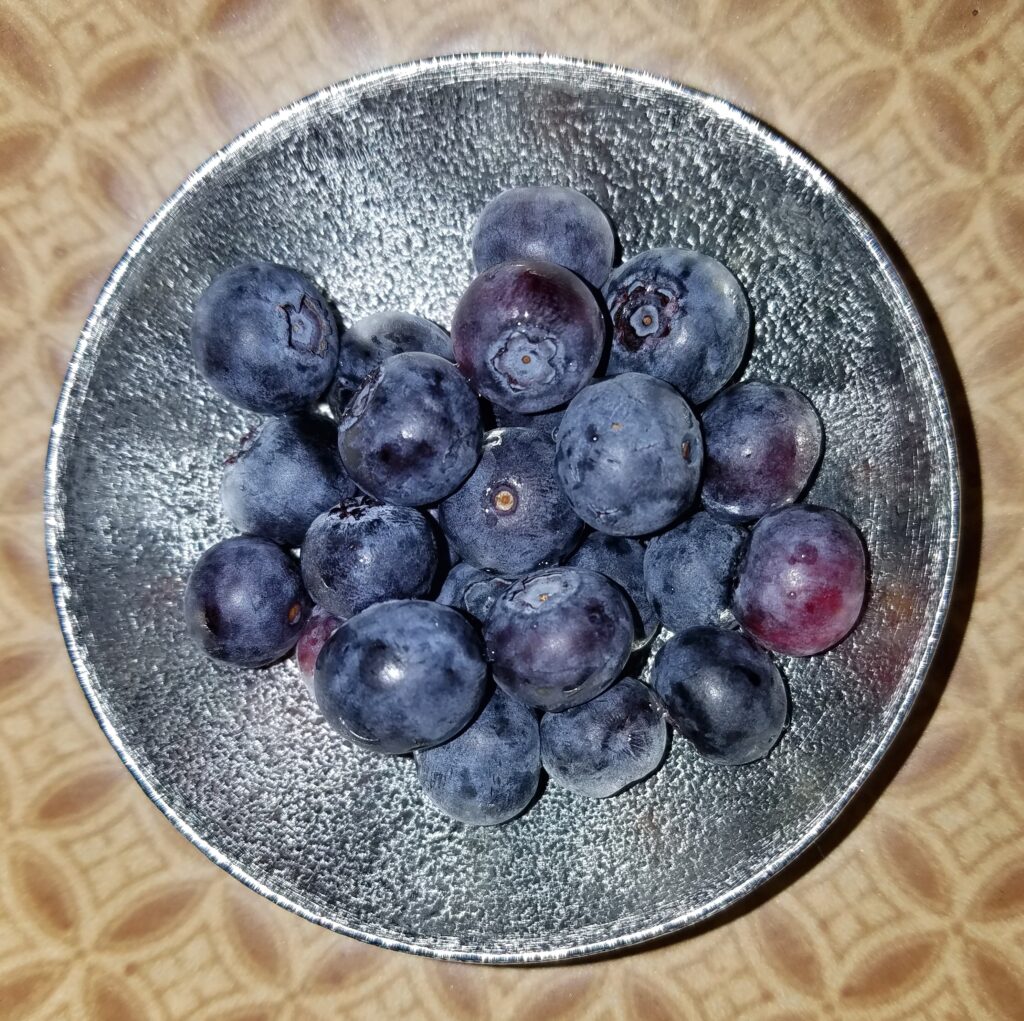
This is an optional treat, not a way to correct a diet. A suitable complete food and individual veterinary advice come first. Compare the different preparation needed for apples and blueberries, or choose food-free time together.
Sources and editorial notes
Linked animal-welfare, veterinary, and food-handling sources support the guidance beside them. The preparation routine and household note are editorial suggestions, not a feeding trial or a treatment plan. Read our editorial standards.
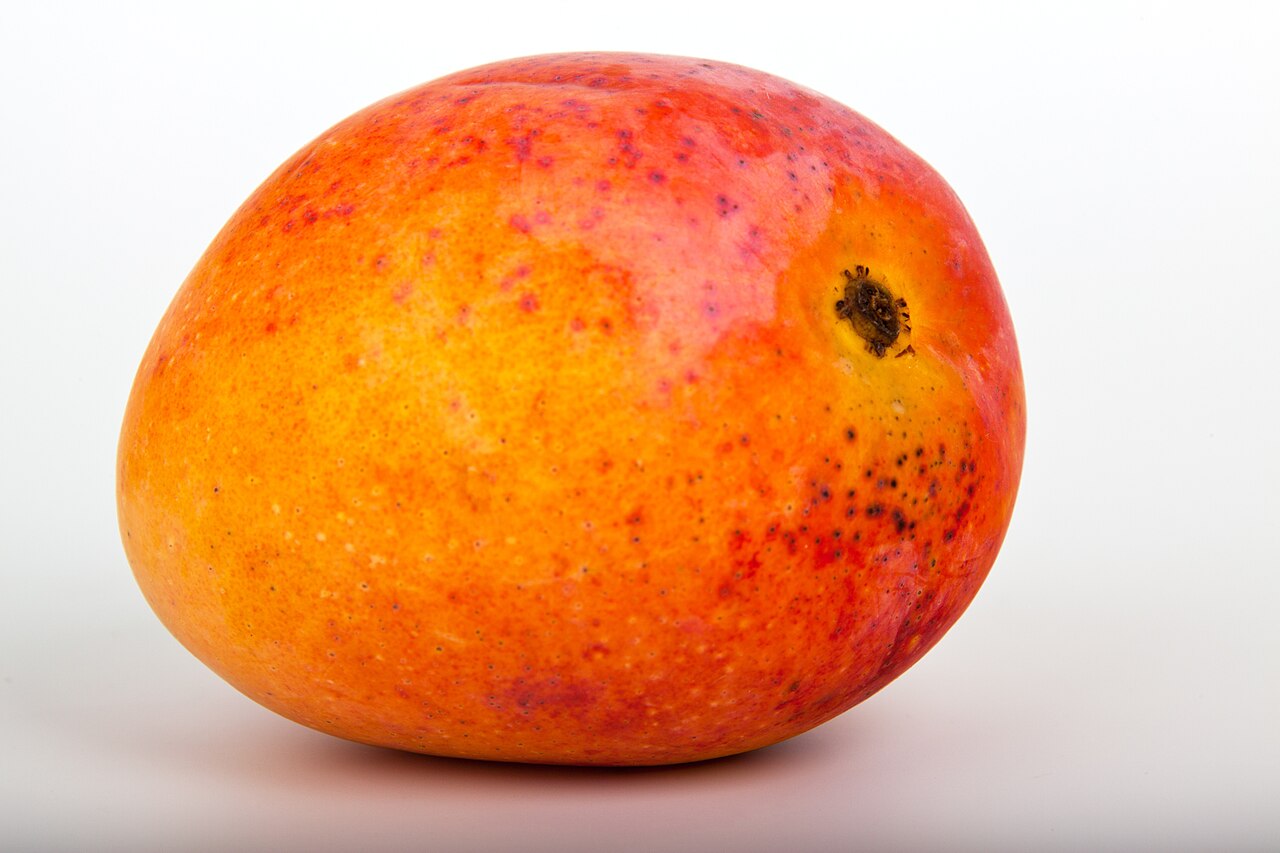
Photo: PublicDomainPictures, Wikimedia Commons, CC0. The whole fruit illustrates the ingredient, not a serving recommendation.