A dog training checklist should help you choose useful skills and remember where they work. It should not turn learning into a race. Pick a few relevant foundations, write down the setting, and leave room to revisit easier versions.
Use this page as a paper reference, or create matching goals in the free Dog Training Planner & Progress Tracker. The app saves your individual stages and notes; the reference table below is not a saved interactive checklist.
What the four stages mean
- Not started: You have chosen the skill but have not begun a clear teaching setup.
- Learning: You are teaching the first small steps and finding useful rewards.
- Works in an easy setting: You have seen the behavior in a specific, manageable situation. Write that situation down.
- Adding distractions: You are carefully practicing with one new challenge while preserving comfort and safety.
These are planning labels, not validated test scores. A dog can be comfortable with handling at home and worried at a clinic, or recall well indoors and struggle outside. Do not treat a later stage as a guarantee of reliability everywhere.
Printable dog training foundations checklist
Use your browser’s Print command to keep this guide, or use Print blank log in the planner for an empty session worksheet. Mark a box on paper and write the setting alongside it.
| Skill / starting aim | Not started | Learning | Easy setting | Adding distractions |
|---|---|---|---|---|
| Name response: turn toward you | □ | □ | □ | □ |
| Marker: a clear signal followed by a reward | □ | □ | □ | □ |
| Recall: approach in a secure space | □ | □ | □ | □ |
| Sit: a comfortable voluntary position | □ | □ | □ | □ |
| Down: settle into a comfortable position | □ | □ | □ | □ |
| Wait: a brief pause with a clear release | □ | □ | □ | □ |
| Leave it: disengage from a safe practice item | □ | □ | □ | □ |
| Drop: exchange a safe toy willingly | □ | □ | □ | □ |
| Loose leash: a few steps without tension | □ | □ | □ | □ |
| Handling: choose to participate in a brief care step | □ | □ | □ | □ |
| Settle: choose a comfortable mat or resting place | □ | □ | □ | □ |
| Doorway pause: wait behind a secure boundary | □ | □ | □ | □ |
| Greeting: keep four paws on the floor | □ | □ | □ | □ |
Setting where this works: ______________________________
One thing to make easier: ______________________________
Next practice idea: ___________________________________
Which skills should I teach first?
Choose the skills that support care, safety, and comfortable daily life. You do not need to begin every row. Name response, a comfortable approach toward you, and handling foundations can be useful starting points. If a position appears uncomfortable, do not force it; seek veterinary advice about possible discomfort.
Dogs Trust’s name-response guide starts with attention in an easy environment and notes that new places can require a return to basics. That is why this checklist records context instead of a single “finished” box.
Read the six everyday cues guide for sit, down, recall, wait, leave, and drop; clicker basics for markers; loose-leash practice for walking; and calmer greetings for four paws on the floor.
Keep management in place while skills grow
A recall box does not make an unfenced area safe. A doorway pause does not replace a closed door or other secure barrier. Leave-it practice should use safe setups; keep medicines, dangerous foods, and swallowing hazards inaccessible.
Do not create guarding situations to test “drop,” take food by force, or reach into a dog’s mouth as a routine exercise. For guarding, fear, or aggression, seek individual professional support. The checklist is for organizing suitable everyday practice, not diagnosing or treating behavior problems.
Turn one checkbox into a useful plan
- Choose one row that matters this week.
- Describe an easy, observable action.
- Name the location, reward, and marker you will use.
- Log a short practice and the stage you observed.
- Write what to repeat or make easier next time.
For example, “learning loose leash” becomes “a few steps beside me in the quiet hallway, rewarding while the lead stays slack.” That note is something you can repeat and compare. The training plan template helps turn the idea into a goal, while the training schedule makes room for it in the day.
Checklist questions
Does every dog need every skill?
No. Adapt to mobility, health, lifestyle, and the tasks that matter for care. Comfortable alternatives can be more useful than insisting on a particular posture or cue.
When should a puppy finish the list?
There is no universal deadline. Use our puppy training schedule by age to choose priorities, and return to easier foundations when needed.
How do I track several dogs?
Add an optional dog nickname to each skill goal in the training tracker. Keep each dog’s goal separate so the session histories remain meaningful. Export backups to keep a copy beyond this browser.
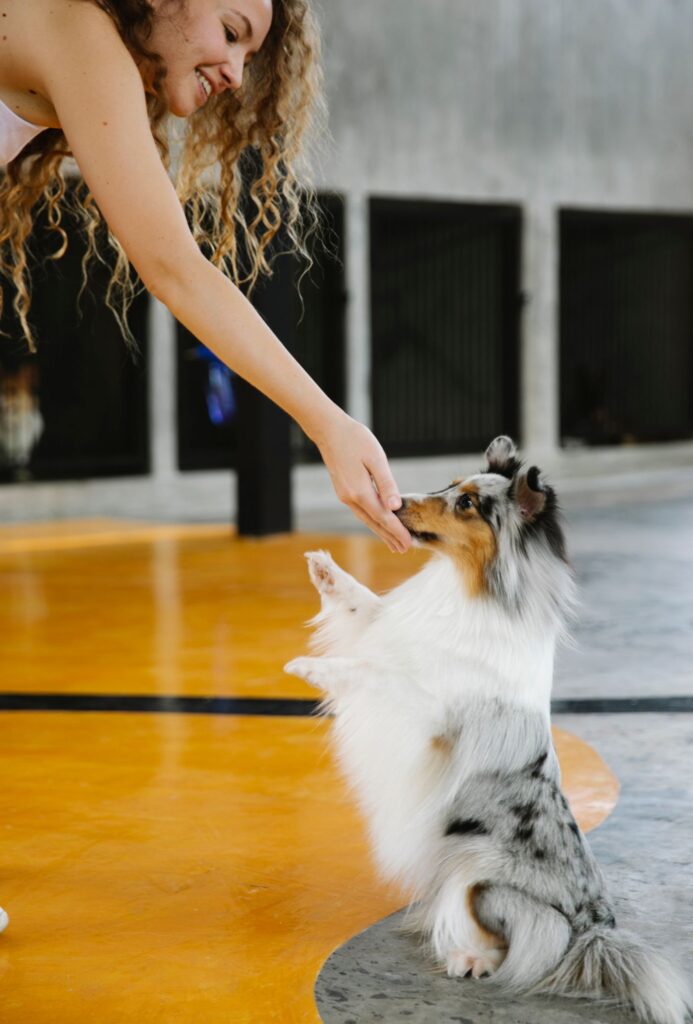
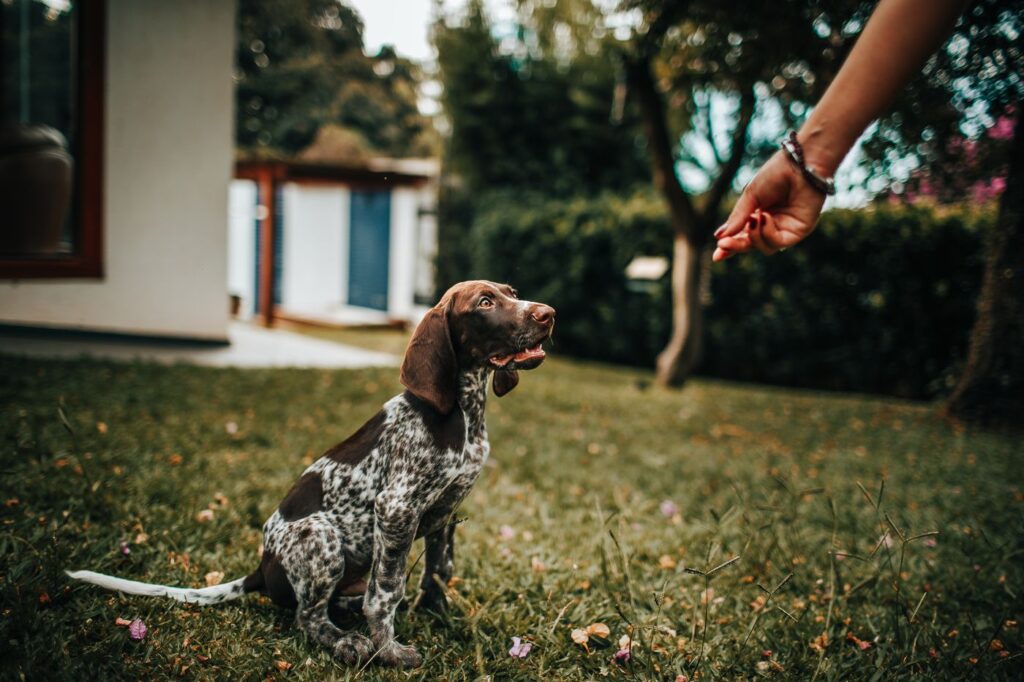
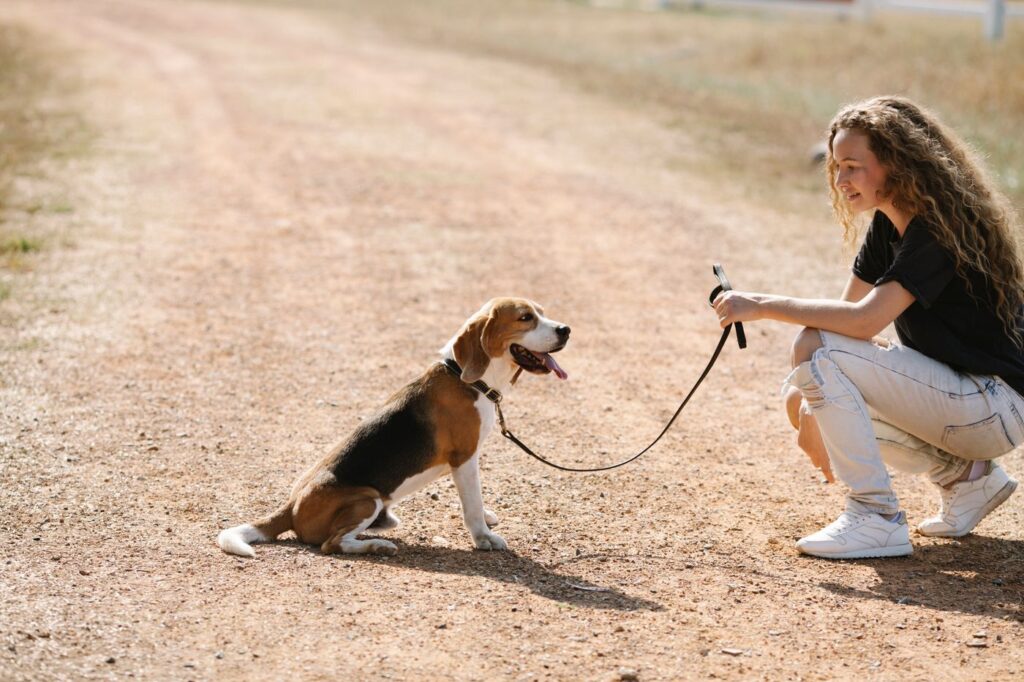
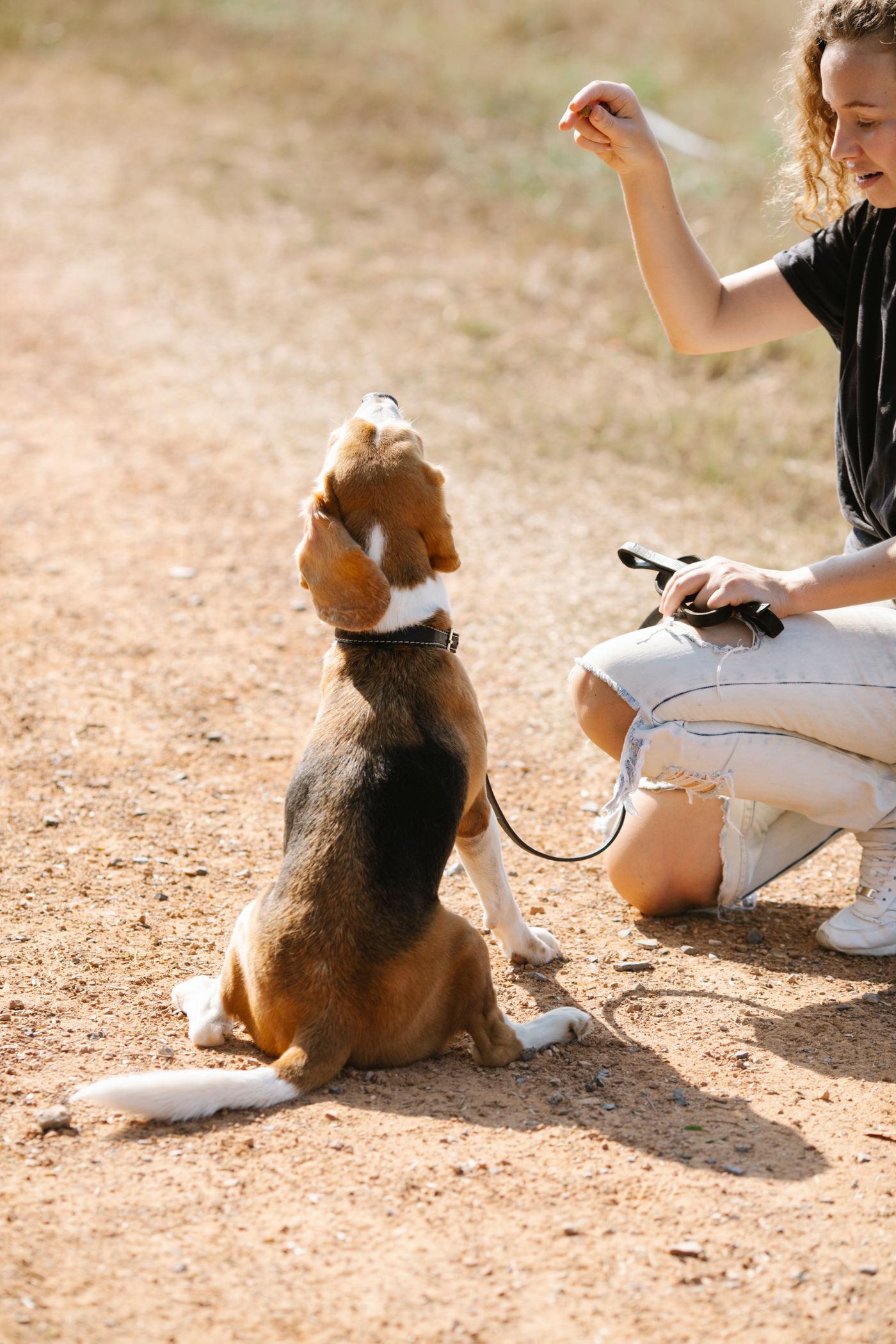
Illustrative stock photograph: Blue Bird / Pexels, used under the Pexels License. No endorsement implied.