A realistic dog training schedule leaves room for brief, focused practice and enough recovery to keep learning comfortable. Attach practice to a normal part of your day, work on one small step, and stop while the setup is still useful. You can end sooner than planned.
This guide is about practice frequency and placement. To choose skills and goals, use the dog training plan. To record what you actually do, open the free training planner and session log.
How long should a training session be?
There is no duration that fits every dog, task, or day. Dogs Trust recommends short, focused training and going back a step when the dog struggles. Its general guidance suggests five to ten minutes; a beginner, puppy, or demanding task may call for much less.
As a planning example, you might reserve a two-minute window and stop after a few comfortable attempts. That is a convenient small slot, not an evidence-based dose or a minimum your dog must complete. A single useful repetition can be enough when you are introducing something new.
Watch the dog, not just the clock. Turning away, slowing down, leaving the activity, or becoming increasingly frustrated can tell you to pause or change the setup. No single signal diagnoses the cause; consider the whole situation.
A flexible daily dog training schedule
Use these as optional windows rather than three required sessions. Your dog’s meals, toilet access, sleep, suitable activity, and health needs come first.
| Window | Possible practice | When to skip or adapt |
|---|---|---|
| After morning care | A short name-response or hand-target game in a quiet room | The dog still needs the toilet, rest, or time to settle |
| During an ordinary outing | Reward a few easy check-ins or loose-leash steps | The environment is too busy; choose distance or quiet exploration |
| A calm evening moment | One small mat or handling step | The dog is tired, uncomfortable, or disengaged |
A walk does not need to become a continuous obedience session. Leave space for suitable sniffing and normal exploration. A bedtime routine does not need to become the final chance to finish a training quota.
Use the morning routine, bedtime routine, and whole-day dog schedule to place training among other needs.
A weekly training chart you can adjust
The following chart shows how to keep one priority in view without making every day harder. Repeat an easy day whenever needed.
| Day | Focus | Review question |
|---|---|---|
| Monday | Find an easy starting setup | What can my dog comfortably do here? |
| Tuesday | Repeat that setup | Was my cue and reward timing clear? |
| Wednesday | Familiar practice or rest | Does a break fit better today? |
| Thursday | Try one small change if ready | Did I add too much difficulty? |
| Friday | Repeat or simplify | What helped when I made it easier? |
| Saturday | Use the skill in a manageable everyday moment | Was the real-life setting still comfortable? |
| Sunday | Review notes and plan the next week | Keep, shrink, or change the goal? |
Copy the next practice idea into the planner’s goal card. Its optional date is a planning note, not a reminder notification. Print the notebook if you want the schedule somewhere visible.
A schedule for busy owners
Choose an anchor that already happens: after you put away the breakfast bowl, before you sit down to read, or during a quiet part of a walk. Keep rewards and any equipment ready so the available time is spent learning rather than searching for supplies.
On a difficult day, keep the easiest familiar practice or skip a formal session. Do not make the next day twice as long to compensate. If several people help, use shared cue wording and write a clear handoff about the next step.
See eight ways to fit training into a busy life and the working-owner dog schedule. The daily routine builder and weekly enrichment planner help reserve room for activities other than training.
Increase one thing at a time
A schedule is not a progression ladder you must climb each day. If a skill works in a quiet room, the next step could be a different position within that same room. A new location may be a much bigger jump than it sounds.
Record place, distraction, distance, and duration when they matter. Keep the familiar parts steady while experimenting with one small change. If the dog struggles, return to a version you can teach clearly. Read why training stalls before adding more repetition.
Rest belongs in the schedule
Training should fit alongside sleep, appropriate activity, social contact, and unstructured comfortable time. Do not wake a resting dog to complete a log entry. If a dog declines a familiar reward or seems uncomfortable, stop and consider the context rather than increasing pressure.
Persistent or sudden changes deserve veterinary advice. A timetable cannot resolve pain, panic, or aggression. Use factual behavior notes to help explain a concern to a professional.
Common schedule questions
Should I train every day?
Everyday life offers learning opportunities, but that does not require a formal session every day. Choose a rhythm you can sustain and adjust it to the dog’s response.
Can I practice several skills in one day?
Yes, when each remains manageable. Keep an individual session focused enough that you know what you are rewarding. Start with fewer goals if your notes become hard to interpret.
How does this change for puppies?
Use especially small opportunities around care and rest, and choose priorities using the puppy training schedule by age. For a list of possible skills, see the training checklist. Return to the plan template when you need to narrow your focus.
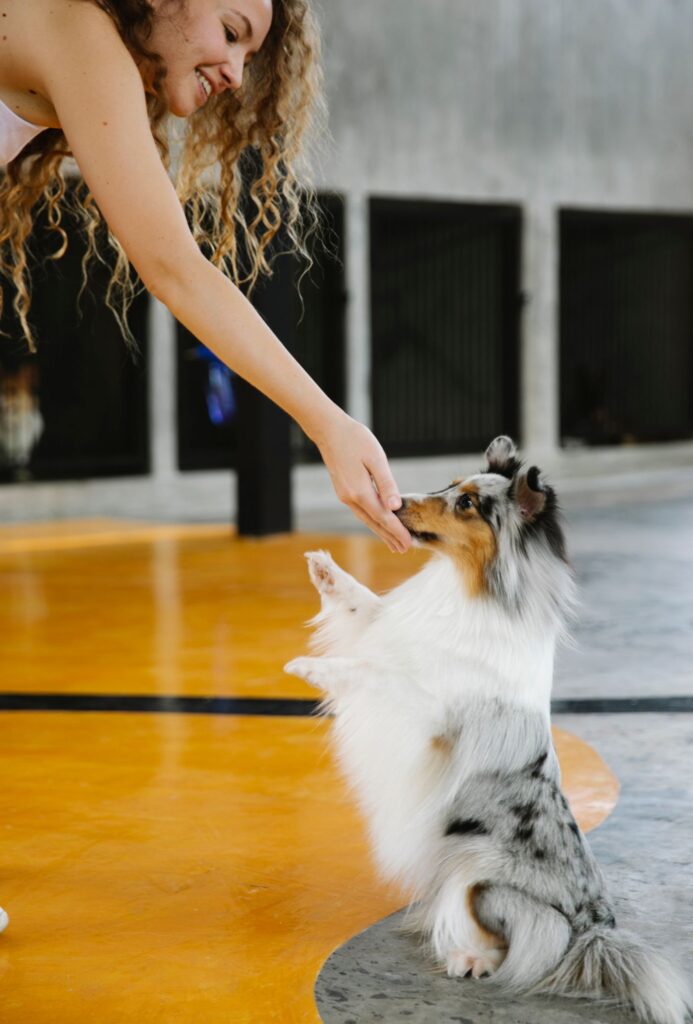
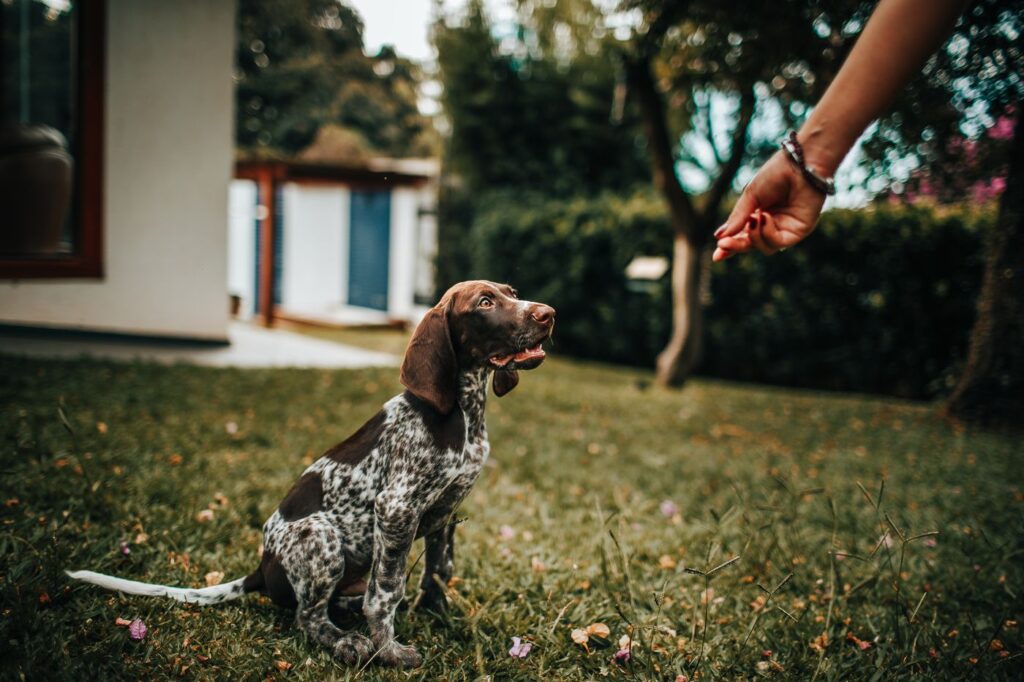
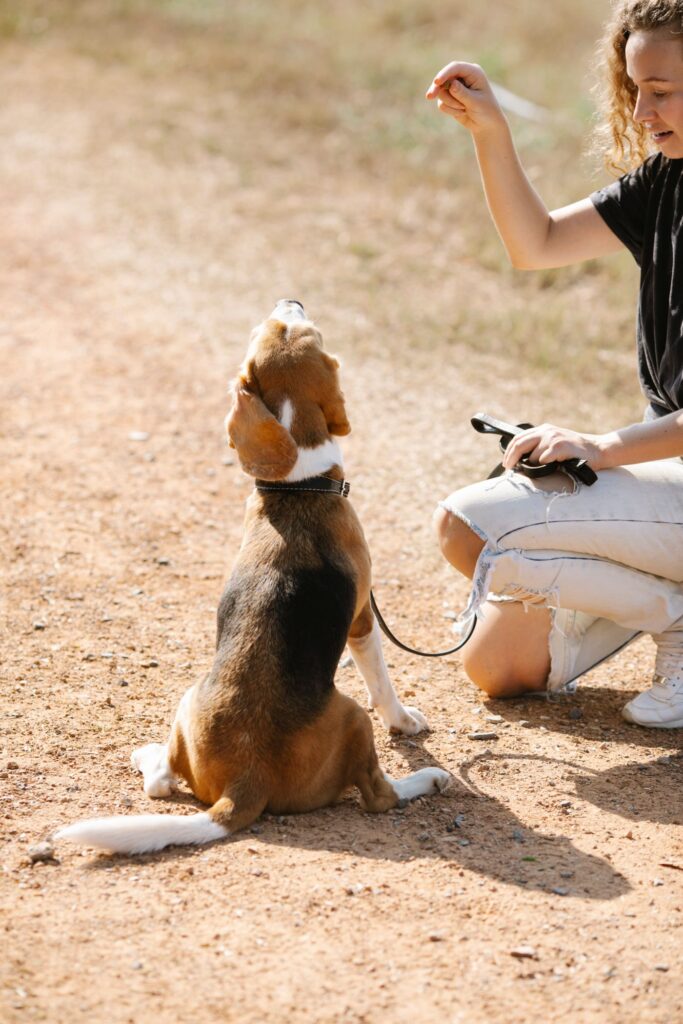
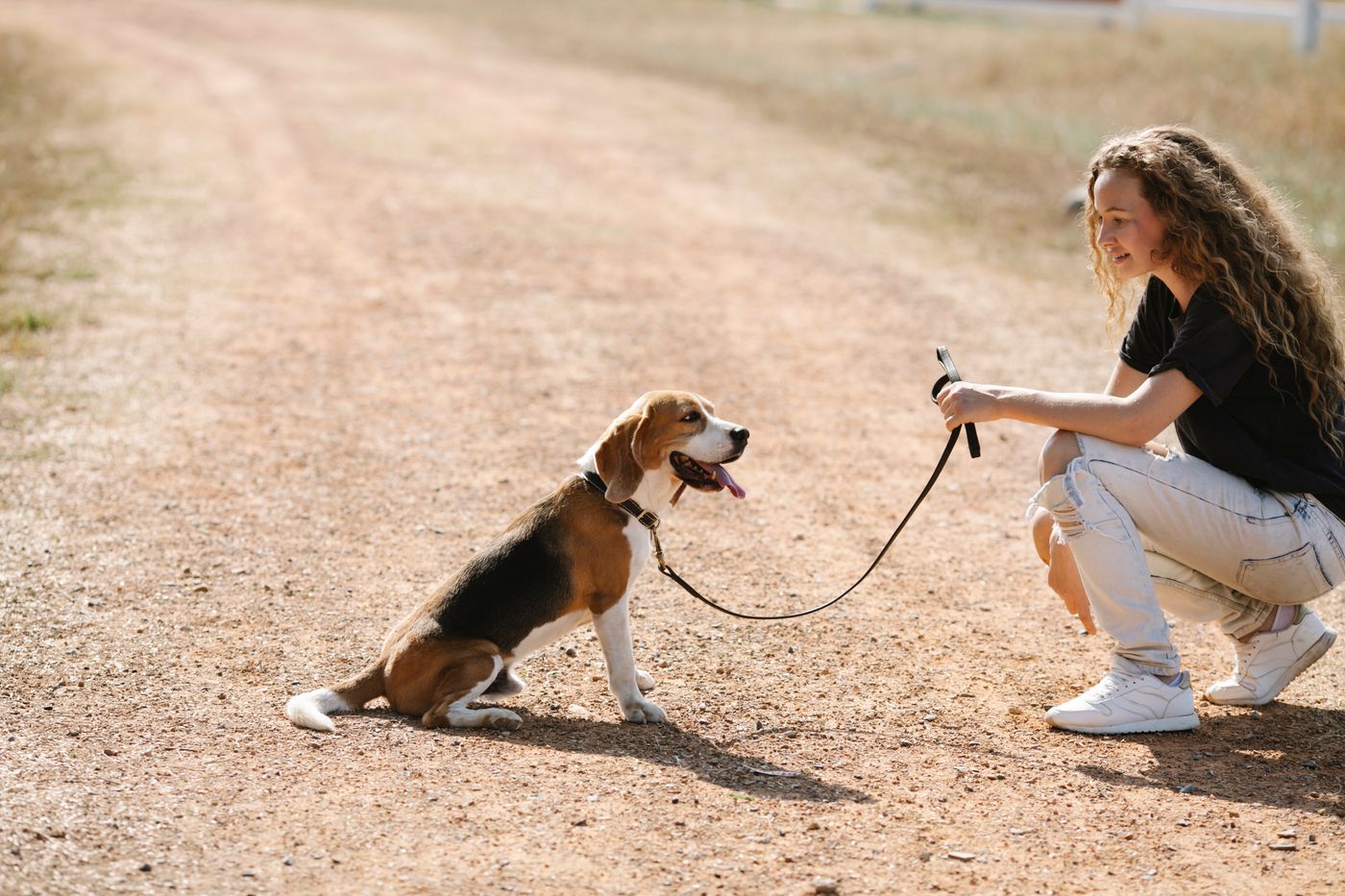
Illustrative stock photograph: Blue Bird / Pexels, used under the Pexels License. No endorsement implied.