Food & treats guides · Blueberries
Yes, dogs can eat plain blueberries in small amounts. Wash fresh berries, choose a texture your dog can manage, and include them with the day’s other treats. The American Kennel Club includes both fresh and frozen blueberries as options, while noting that even a small berry can pose a choking risk, particularly for smaller dogs.
A blueberry is an ingredient, not a permission slip for every blueberry-flavored food. The distinction matters when you are sharing breakfast, preparing training rewards, or finding out what your dog took from the counter.
Fresh or frozen: make the texture work
Use ordinary, identifiable food-grade blueberries, not unknown berries gathered on a walk. Start with plain fruit rather than a mixed dessert. Rinse fresh berries before preparing them and remove spoiled fruit. The FDA’s produce guidance explains washing under running water and keeping cut produce refrigerated.
For a dog who gulps, consider cutting or lightly mashing a berry instead of offering it whole. Thawing frozen fruit before preparing it avoids introducing a hard, round piece. These are conservative preparation choices, not a guarantee against choking. A dog with swallowing difficulties needs individual veterinary advice about suitable food textures.
Offer food calmly with your dog in a comfortable position. Our practical choice is to place the small portion in a familiar bowl rather than toss berries for an excited dog to catch. Put the remaining container away before starting.
Blueberries are not the same as blueberry products
| What you have | What to check | Simpler choice |
|---|---|---|
| Fresh berries | Condition, preparation, and a small portion. | Plain washed fruit. |
| Frozen berries | No sweetening or mixed ingredients; manageable texture. | Thaw and prepare a little before offering. |
| Muffins or pancakes | The whole recipe, not just the berries. | Set aside plain fruit before making breakfast. |
| Flavored yogurt or jam | Sweeteners and other ingredients. | Do not assume a blueberry label means dog-safe. |
| Trail mix or mixed fruit | Every ingredient, including raisins or grapes. | Keep the mixed snack away from your dog. |
PDSA warns against grapes, raisins, chocolate, and xylitol. A mixed snack containing blueberries can therefore require a very different response from a few plain berries. Do not pick out one visible ingredient and assume the remaining product is suitable.
The FDA’s xylitol warning includes sugar-free desserts and jams. Suspected xylitol ingestion is a reason to contact a veterinarian or animal poison-control service immediately, not wait to see whether your dog acts differently.
How many blueberries can a dog have?
VCA’s training-treat guidance recommends measuring treats and keeping their calories within 10% of the daily total. Blueberries, biscuits, chews, and food toppers share that budget. A prescribed diet or other veterinary restriction can make a different limit appropriate.
There is no universal berry count here: berries vary in size, dogs differ, and today’s other extras matter. Begin with a very small taste rather than a handful. The fact that a food is generally suitable does not establish that a particular amount agrees with your dog.
A planning example: write “blueberries included in today’s rewards” beside your treat container. Decide in advance whether you are using fruit or the usual rewards, rather than adding both automatically. If you need many repetitions, ask about reserving part of your dog’s normal food allowance instead.
What about antioxidants and brain-health claims?
Blueberries contain fiber and antioxidant compounds, as the AKC describes. That does not mean a few berries have been shown to prevent disease in your individual dog. An ingredient’s nutrient content is different from evidence for a treatment or a complete diet.
This guide recommends blueberries only as an optional food choice, not as a supplement program or a way to treat cognitive decline. For an older dog whose behavior is changing, seek veterinary advice rather than increasing a fruit portion.
Can blueberries be training rewards?
They may be practical for a dog who enjoys and tolerates them, provided the preparation is suitable and the portion is planned. Check whether you can deliver the reward neatly and promptly. A berry rolling under furniture is not helpful feedback.
Try a familiar, easy behavior first rather than introducing a new food and a difficult lesson together. Our clicker-training guide explains timing. For games needing dry pieces, your dog’s usual food may be less messy; Find It does not require fruit.
When should you contact a veterinarian?
Stop the extra food and seek advice if your dog develops repeated vomiting, significant diarrhea, pain, or other concerning changes. Do not dismiss illness because blueberries are usually suitable. Cornell’s diarrhea guidance identifies vomiting, loss of appetite, lethargy, and blood or black stool as reasons for veterinary assessment.
For a mixed product, save its packaging and estimate the amount and time. Report the full ingredient list. Difficulty breathing or collapse requires emergency care.
Common questions
Can puppies eat blueberries?
Keep a puppy’s complete diet central and check suitable extras with your veterinarian. Pay particular attention to texture and mouth size; a whole berry is not automatically an appropriate training treat.
Are frozen berries better than fresh?
No preparation is best for every dog. Plain frozen fruit is an option, but this guide favors thawing and adjusting the texture when a hard round piece would be difficult to manage.
What can I offer instead?
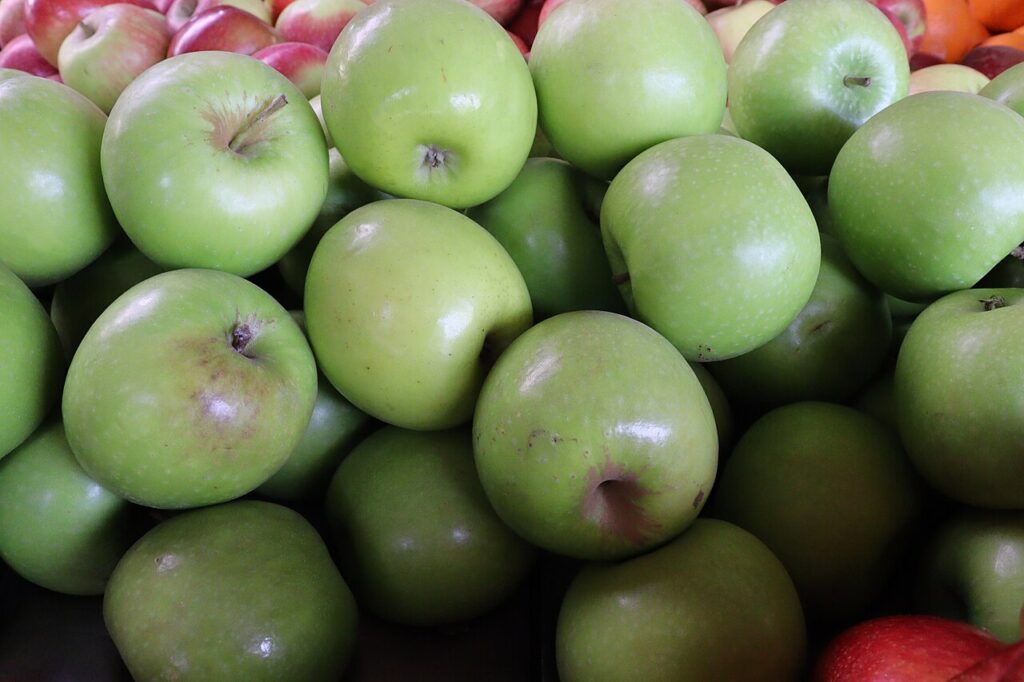
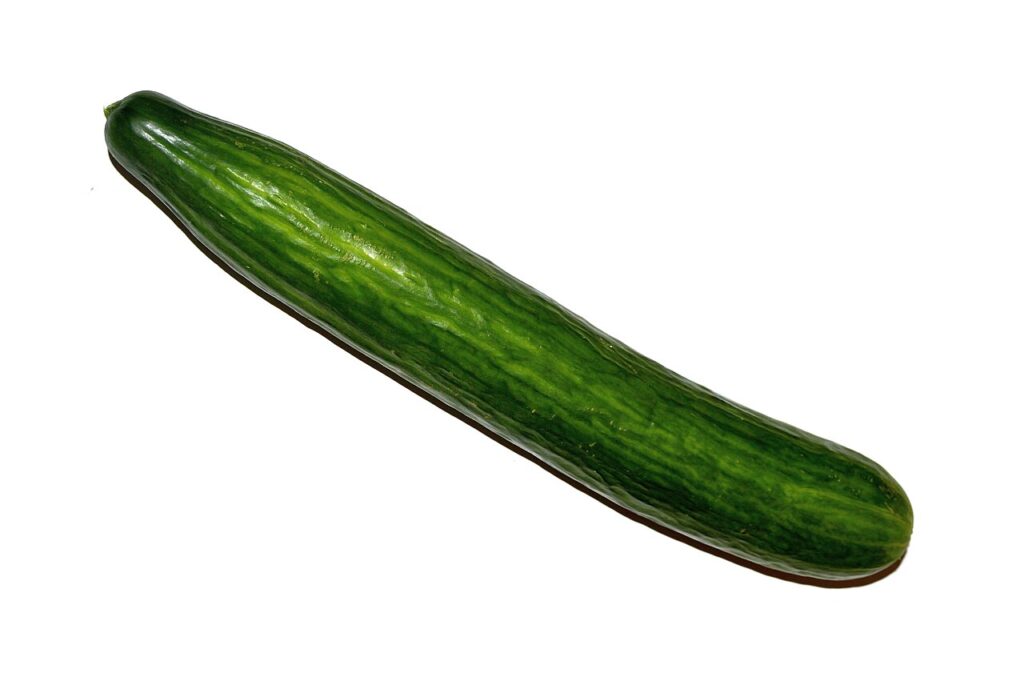
Compare the preparation needed for apple or cucumber. A shared toy game or wanted attention is another option; treats do not have to be the center of every interaction.
Sources and editorial notes
Linked sources support food suitability, handling, treat planning, and reasons to seek care. The product checklist and reward-preparation examples are editorial tools, not results from feeding trials. See our editorial standards.
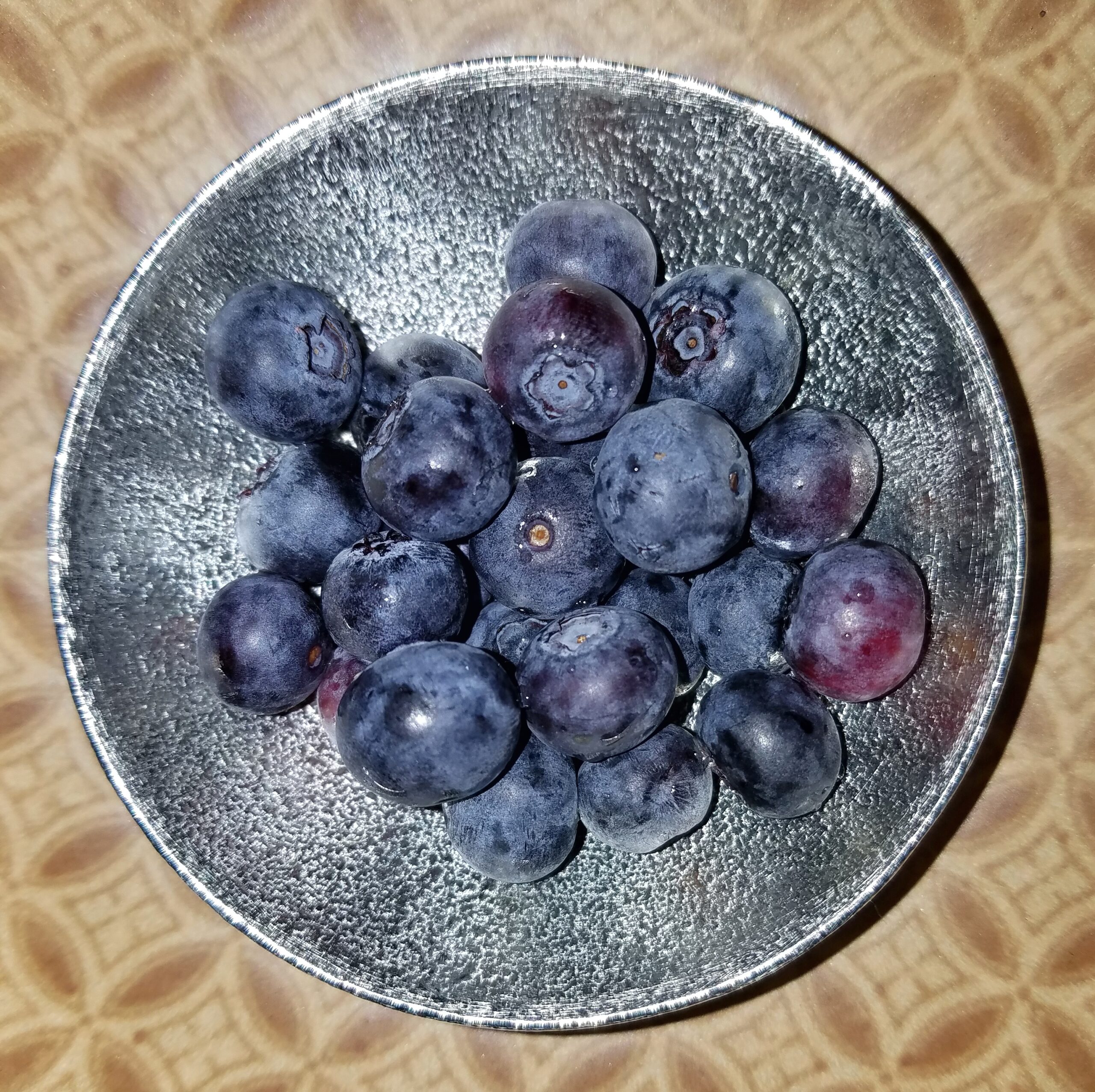
Photo: Daderot, Wikimedia Commons, CC0. The bowl illustrates the ingredient, not a recommended serving.