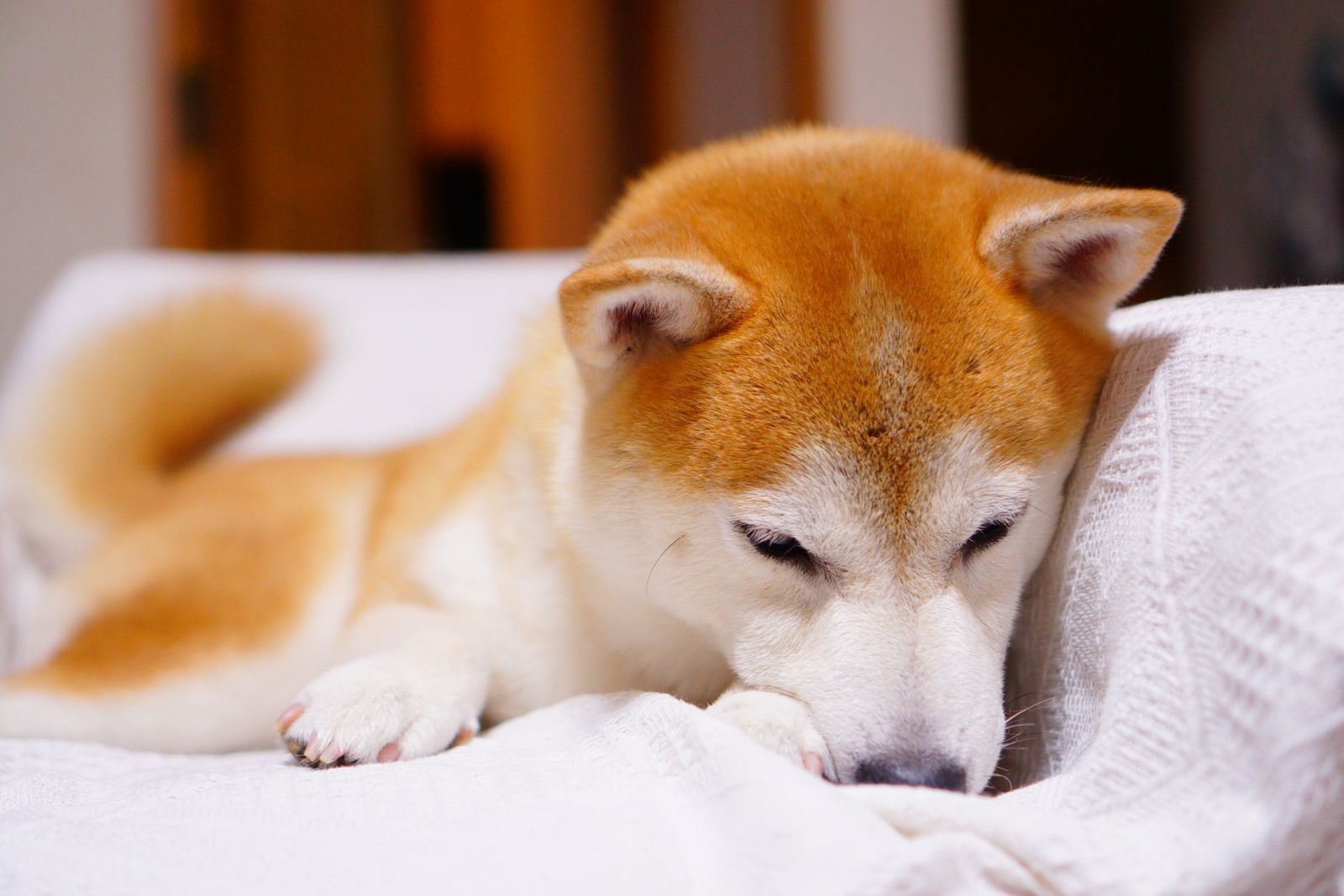
Routines & real life · 10-week-old puppy
A 10-week-old puppy schedule should keep the home routine predictable while introducing the world in small, positive pieces. Potty trips, meals, sleep, short training, and supervision still form the backbone. The difference is that you may now be refining the routine instead of simply surviving the first days.
Use the puppy schedule pillar for the whole age series and the 9-week page if you are comparing what changed from last week.
Example 10-week-old puppy schedule
| Block | Example sequence | Focus |
|---|---|---|
| Wake-up | Toilet → meal if scheduled → toilet → a few minutes together. | Start calm and predictable. |
| Morning awake time | Short training, handling, or safe exploration → toilet → rest. | One learning goal at a time. |
| After rest | Toilet → suitable play or social exposure → rest. | Protect recovery time. |
| Midday | Meal if included in the current plan → toilet → brief activity → nap. | Keep feeding consistent with veterinary/label guidance. |
| Afternoon | Another short learning or social block → toilet → quiet time. | Stop while the puppy is still coping well. |
| Evening | Dinner if scheduled → toilet → family routine → calm chew/enrichment. | Reduce stimulation as bedtime approaches. |
| Bedtime | Final toilet → sleep setup → overnight trip if needed. | Night needs are not a training failure. |
Keep the veterinary plan visible
AAHA notes that puppies have frequent veterinary visits because vaccination, parasite prevention, nutrition, behavior, development, and safety needs change quickly. Do not assume that a generic online vaccine chart tells you which public places or dog contacts are appropriate today. Bring the puppy’s actual records to the veterinarian and ask what is suitable locally.
Do not let a good week make the potty schedule sloppy
A puppy who had several dry days still needs predictable opportunities. Keep using the transitions in our puppy potty training schedule, and adjust only after a consistent pattern of comfortable success.
Short training fits naturally into care
The AKC’s current puppy training timeline emphasizes trust, structure, and environmental exposure from 8–16 weeks. Use tiny sessions: one name response while clipping on the leash, one hand target before a meal, or a few repetitions of a simple cue. The basic-cues guide has a practical starting point.
New experiences need an exit
Socialization is not a checklist of 100 things to endure. Give the puppy space to observe, retreat, or finish. Pair appropriate new experiences with calm recovery time. Use our socialization guide alongside veterinary advice about disease risk.
Track the transitions, not every breath
The Puppy Tracker works best when you log the events that change the schedule: waking, meals, potty trips, accidents, play, training, and sleep. You do not need a minute-by-minute diary.
Next stop: 12 weeks / 3 months
The 12-week-old puppy schedule also targets the common “3-month-old puppy schedule” search and focuses on growing curiosity, chewing, and carefully expanding the routine.
Common questions
Can a 10-week-old puppy be on a strict clock?
Use predictable sequences, but leave room for earlier toilet trips, more rest, or a shorter learning block.
Should training sessions get longer every week?
No. Quality matters more than duration. Stop when the puppy is losing focus or comfort.
What if vaccination advice online conflicts with my veterinarian?
Follow your veterinarian’s individualized plan. Local disease risk and the puppy’s actual records matter.
Sources and editorial notes
Sources include AAHA puppy wellness guidance, the AKC puppy training timeline, and Dogs Trust toilet-training guidance. The schedule is an editorial example, not a medical or vaccination plan. See our editorial standards.
Keep track of the next training step
Choose suitable priorities with the puppy training schedule by age, then pick a small foundation from the training checklist. Record the skill, setting, reward, what worked, and what to make easier in the free Dog Training Planner & Progress Tracker. It saves locally in your browser and includes printable logs and backups.