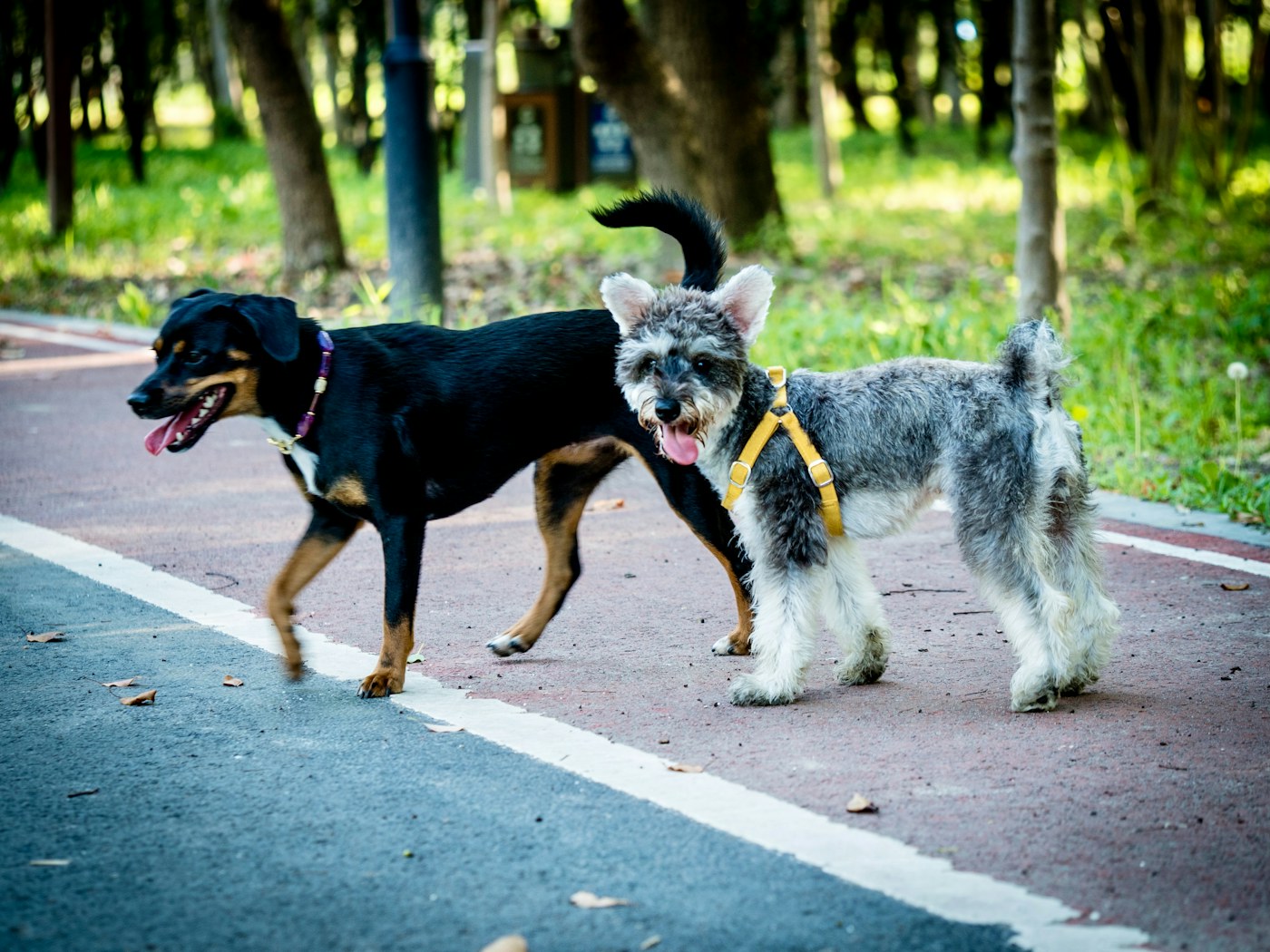
Care & health guides · Sudden behavior changes
Sudden aggression can reflect pain, illness, fear, a changed situation, or several factors together. Prevent another risky encounter and contact your veterinarian promptly before treating it as a simple obedience problem. Do not confront the dog, punish a warning, or recreate the incident to see whether it happens again.
An abrupt change can be frightening, especially in a dog who has previously been gentle. Focus first on safe separation and clear information. You do not need to settle the motive before asking for help.
Why the medical check matters
The ASPCA explains that even a normally friendly dog may bite when pain makes handling difficult. Medical conditions, sensory changes, and some medicines can also affect behavior. A person intending to help can still be at risk when touching an injured animal.
Tell the clinic about changed movement, appetite, sleep, toileting, and tolerance of touch, as well as the threatening behavior. Do not press suspected painful areas to demonstrate a connection. Ask how the dog should be transported and handled for the appointment.
Make the immediate situation safer
PDSA advises avoiding situations that trigger aggression and not punishing or forcing the dog closer. Give people and other animals space, using suitable doors or barriers where these can be put in place safely. Children should not be responsible for managing the situation.
- Stop the interaction. End reaching, crowding, or approaching the contested area when safe.
- Create separation. Move people away and prevent access by children, visitors, or other pets.
- Avoid a physical contest. Do not grab a collar, pry an item away, or reach between fighting dogs.
- Contact the veterinary team. Describe the change, any injury, and your ability to keep everyone safe.
- Agree on a temporary care plan. Make feeding, toileting, and necessary handling manageable while assessment is arranged.
This sequence is a planning framework, not a restraint technique. If you cannot safely contain the situation, contact appropriate local emergency or animal-control services for immediate assistance.
Describe the event without testing it again
| Record | Useful detail | Leave out |
|---|---|---|
| What happened immediately before | A person approached the bed, another dog entered, or a limb was touched. | A guessed motive presented as fact. |
| Visible behavior | Freezing, staring, growling, snapping, lunging, or contact. | A label such as bad or dominant instead of the action. |
| Who and what were nearby | People, animals, food, toys, resting places, or an exit. | Assuming a familiar person cannot be part of the context. |
| Recent changes | Health, medicines, household routine, travel, or an injury. | Unverified conclusions about which change caused it. |
| Outcome and safety | Any injury, what ended the event, and how separation is being maintained. | A second demonstration for the camera. |
Be specific about any contact or injury. A professional needs the full picture, not a softened description that hides the risk.
Coordinate veterinary and behavior support
Ask the veterinarian about a qualified, reward-based behavior referral and how medical findings will inform the plan. A treatment program should account for the real home, the people involved, and the dog’s response rather than promise that every case is solved by a fixed set of commands.
Our attention-and-resource guide and fear guide explain possible contexts. They are not a reason to diagnose guarding or fear without assessment, or to begin a difficult exercise before safety is established.
A muzzle may be part of an individualized plan when properly selected and introduced, but do not force unfamiliar equipment onto an already distressed dog to continue a risky encounter. Ask the professional to demonstrate appropriate preparation and limitations.
Attend to injuries separately
For an injured animal, contact a veterinarian even when the visible puncture looks small. PDSA notes that bite injuries can involve deeper damage than is apparent at the surface.
For a person bitten, wash the wound and obtain medical advice. The CDC emphasizes prompt wound washing and assessment after a possible rabies exposure. A healthcare professional can consider wound care, tetanus, and rabies risk; do not decide these from the dog’s appearance alone.
Common questions
Should I show the dog who is in charge?
No. Confrontation does not identify the cause and can increase the risk of injury. Choose management and an appropriate assessment.
Will neutering automatically fix it?
No guaranteed behavior outcome follows from that decision. Discuss surgery and the current behavior concern separately with the veterinary team.
What if it only happened once?
One serious incident can still need assessment and prevention. Record it accurately and avoid recreating the circumstances while obtaining advice.
Sources and editorial notes
The linked veterinary, welfare, and public-health guidance supports the safety distinctions. The incident record is a practical tool, not a diagnosis or a promise of treatment results. See our editorial standards.