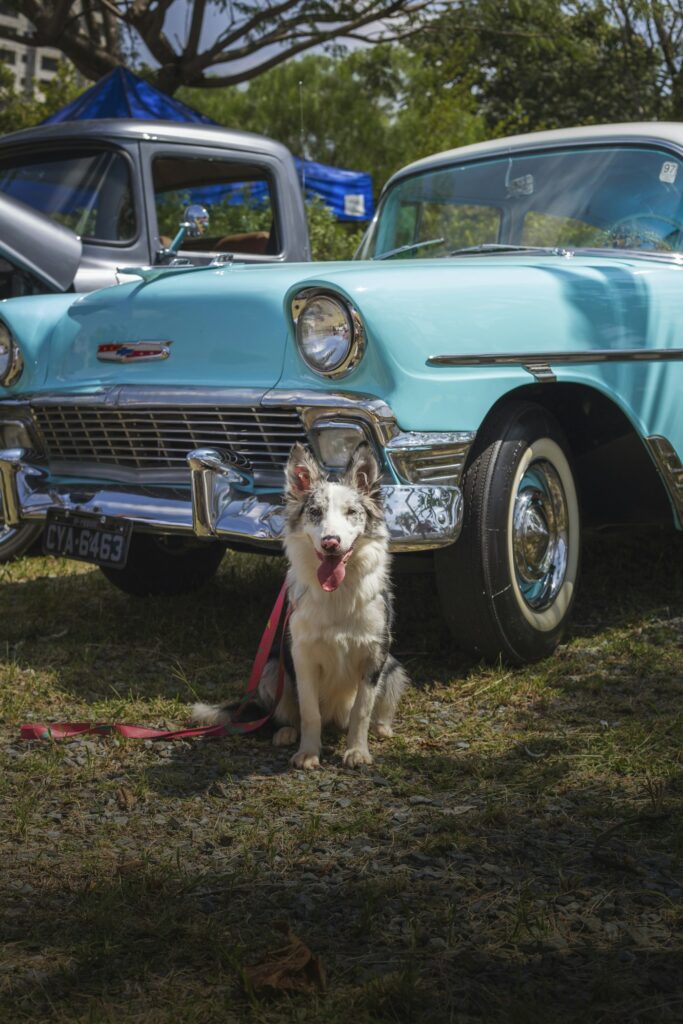
Life with dogs · Friendliness and fit
Labrador Retrievers, Poodles, and Cavalier King Charles Spaniels are among the breeds commonly described as sociable or affectionate. However, the friendliest match for your home is an individual dog whose behavior and needs fit your circumstances—not simply the breed with the nicest reputation. Mixed-breed dogs can also be excellent companions.
Three familiar starting points, not a ranked shortlist
The American Kennel Club’s overview of friendly breeds includes the following examples. These descriptions are general breed reputations, not promises about an individual puppy or adult.
| Example | Reputation described by the AKC | A question before choosing |
|---|---|---|
| Labrador Retriever | People-oriented and willing to work with humans. | How does this dog’s energy and greeting style fit our household? |
| Poodle | Outgoing and interested in mental and physical activity. | Can we meet this dog’s activity and coat-care needs? |
| Cavalier King Charles Spaniel | Affectionate and bred for companionship. | What health information and daily support should we discuss? |
The questions are our comparison prompts. Apply them to any breed or mix you are considering. Do not treat the table as a recommendation to buy a particular dog without meeting the caregiver and reviewing the individual history.
What breed research can actually tell you
A 2022 study reported by UMass Chan Medical School combined owner surveys with canine genetic data. Breed explained about 9% of behavioral variation in the study, and researchers found substantial variation within breeds.
That figure describes variation across the study population. It does not mean that exactly 9% of your dog’s personality comes from breed, or that the remaining 91% is entirely determined by training. Genetics and experience are more complicated than that split. The findings support caution about predicting an individual from a label; they do not say that genetics never matters.
Define friendly in terms you can observe
Before asking someone to find you a friendly dog, describe the situations that matter. Our household worksheet separates several questions that often get compressed into one word.
| What you hope for | Ask for a specific example |
|---|---|
| Comfort around adult visitors | What happens when someone arrives, approaches, and later sits down? |
| A workable home with children | What experience is known with children of similar ages, and what supervision is required? |
| Comfortable routine handling | Which grooming or veterinary tasks are easy, difficult, or still being taught? |
| Living with another dog | What shared-home experience is known, including meals and resting places? |
| A quieter household companion | What does an ordinary settled afternoon look like, not just an exciting greeting? |
For example, “enjoyed meeting two adults during a quiet foster-home visit” is a useful observation. It leaves a different question unanswered: how would the dog cope with a busy children’s gathering? Write down both the evidence and the unknown rather than filling the gap with optimism.
Give the dog room to decline a greeting
Blue Cross explains that dogs differ in how much contact they enjoy. Ask the caregiver’s permission, let the dog choose whether to approach, and stop when they move away. A dog who does not want a stranger’s touch is not failing a personality test.
Use our first-meeting guide for a calmer introduction. Do not hug, corner, startle, or remove food to test whether the dog is tolerant.
Friendly is not the same as incapable of biting
The American Veterinary Medical Association emphasizes that any dog can bite in some circumstances. Pain, fear, and being disturbed can change an interaction. Children still need active adult supervision around a familiar, affectionate family dog.
A new change in tolerance deserves attention rather than a claim that the dog has become a different breed type. See our sudden-behavior-change guide for safety and assessment steps.
Choose the whole match
After considering sociability, review the practical fit: care coverage, housing, grooming, health needs, and support from the organization or breeder. Our choosing-a-dog guide provides a separate fit sheet so this page does not have to turn into a complete adoption checklist.
Common questions
Which breed is guaranteed to be good with children?
None can provide that guarantee for an individual dog. Ask about relevant history and plan supervision and safe resting spaces.
Is an enthusiastic greeting the best sign?
It is one observation, not a complete picture. Ask about calmer situations and the dog’s needs as well.
Can a reserved dog form a close bond?
Do not equate a preference for space from strangers with an inability to enjoy familiar company. Ask the caregiver what comfortable relationships look like for that dog.
Sources and editorial notes
Breed descriptions, research findings, and greeting guidance are linked separately. The comparison prompts are planning aids, not temperament scores. See our editorial standards.