Food & treats guides · Pickles
Pickles are not a good planned dog treat. They may contain considerable salt, garlic, onion, or other additions, and recipes differ. A small accidental bite is not automatically poisoning, but the actual product and amount matter. The AKC’s veterinarian-informed guidance favors plain cucumber rather than pickle products.
When a dog has eaten a pickle, start with the jar or recipe. “Dill,” “sweet,” and “homemade” describe styles, not a guarantee that every ingredient is suitable.
Read the label before judging the bite
The AKC identifies salt and seasoning as reasons to avoid treating pickles like fresh cucumber. Some recipes include garlic or onion; others do not. Do not assume the presence or absence of a harmful ingredient from the product name alone.
| Check | What to record | Why the distinction helps |
|---|---|---|
| Garlic, onion, or a seasoning mixture | The exact ingredient list and any stated quantities. | These can be concerns beyond the cucumber itself. |
| Salt and brine | Whether the dog drank liquid as well as eating pieces. | The exposure includes more than the visible pickle. |
| Sweeteners or a sugar-free recipe | Every named sweetener. | Some ingredients require urgent assessment. |
| Size and amount | Pieces missing, jar size, and approximate time. | One bite and an opened jar are different situations. |
| The dog’s health and weight | Current conditions, medications, and dietary restrictions. | General snack guidance may not fit this dog. |
Keep uncertain details uncertain. Saying that you do not know how much brine was swallowed is more useful than selecting a reassuring number without evidence.
Two ingredient concerns that deserve particular attention
Garlic and onion can injure red blood cells, including in cooked or processed forms. Our garlic guide explains what to report. A dog appearing normal immediately after eating does not rule out a delayed problem.
For a product containing xylitol, obtain immediate veterinary or poison-control advice. The FDA warns that xylitol can be dangerous to dogs. Do not assume that every sweet pickle contains it, but do check an unfamiliar or sugar-free recipe rather than guessing.
What to do after an accidental snack
- Put the jar and remaining food out of reach. Check whether packaging or another ingredient was also accessible.
- Save the label and estimate the amount and time. Note your dog’s weight and any signs you see.
- Call your veterinarian when the ingredients or amount are concerning or uncertain, your dog has relevant health problems, or symptoms appear.
- For a potentially toxic ingredient, contact an emergency clinic or animal poison service promptly instead of waiting for symptoms.
This sequence is a preparation aid, not a home treatment. Do not induce vomiting, force large amounts of water, or give a remedy to neutralize the brine. Follow the professional’s instructions. Breathing difficulty, seizures, collapse, or severe illness warrants emergency care.
If a professional recommends home observation, ask what changes to watch for and when to call again. The useful outcome is a specific plan for the actual product—not a blanket rule that all pickles are harmless or all bites are emergencies.
Use plain cucumber for the snack question
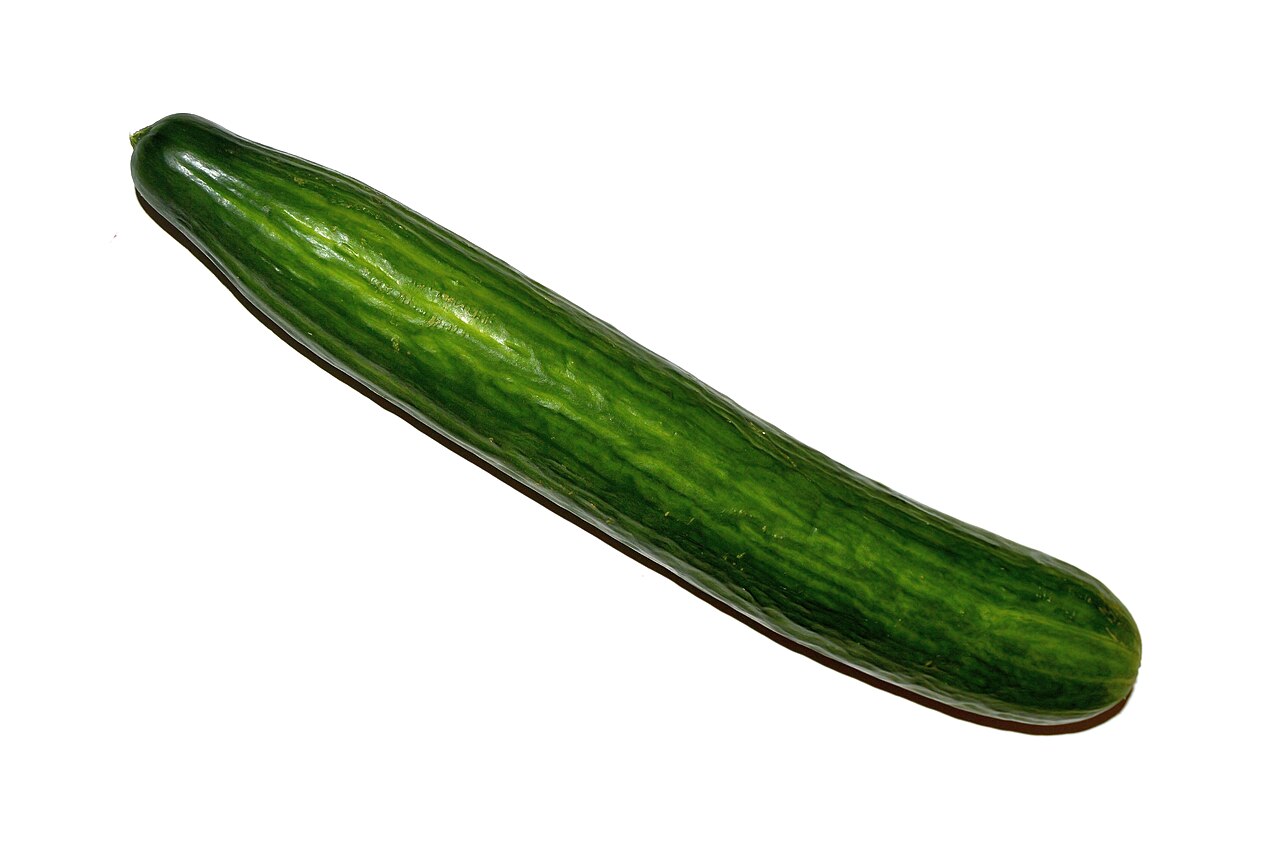
For a dog who can have it, a little washed, chopped plain cucumber is a simpler option. Prepare it before adding brine, dressing, or seasonings. Do not rinse a pickle and assume that it has become an untreated cucumber again.
Our practical household rule is one separate dish for any dog portion. That avoids passing food from a mixed serving bowl where the preparation is unclear. All extras still belong within the dog’s individual feeding plan; a low-calorie ingredient is not an unlimited food.
Common questions
Are dill pickles safe?
The dill label does not settle the question. Check salt, garlic, other seasonings, and the amount eaten. Choose plain cucumber for deliberate sharing.
Can dogs drink pickle juice?
Do not offer it. Report brine ingestion along with any pieces eaten when asking for advice.
What about a tiny bite with no garlic or onion?
A small exposure may be less concerning than a jarful or a toxic ingredient, but the dog’s size and health still matter. Ask your veterinarian when uncertain rather than applying a universal allowance.
Do pickles help a dog’s digestion?
This guide does not recommend pickles as a probiotic or digestive treatment. For recurring symptoms, seek a veterinary plan instead of trying a salty food.
Sources and editorial notes
The linked AKC, Merck, and FDA resources support the product and ingredient distinctions. The label table and response sequence organize those checks; they are not an individual toxicity assessment. See our editorial standards.